Automated microfactory encodes digital archives into synthetic DNA capsules
Researchers demonstrated an automated platform that converts digital files into synthetic DNA for long-term storage without continuous power.
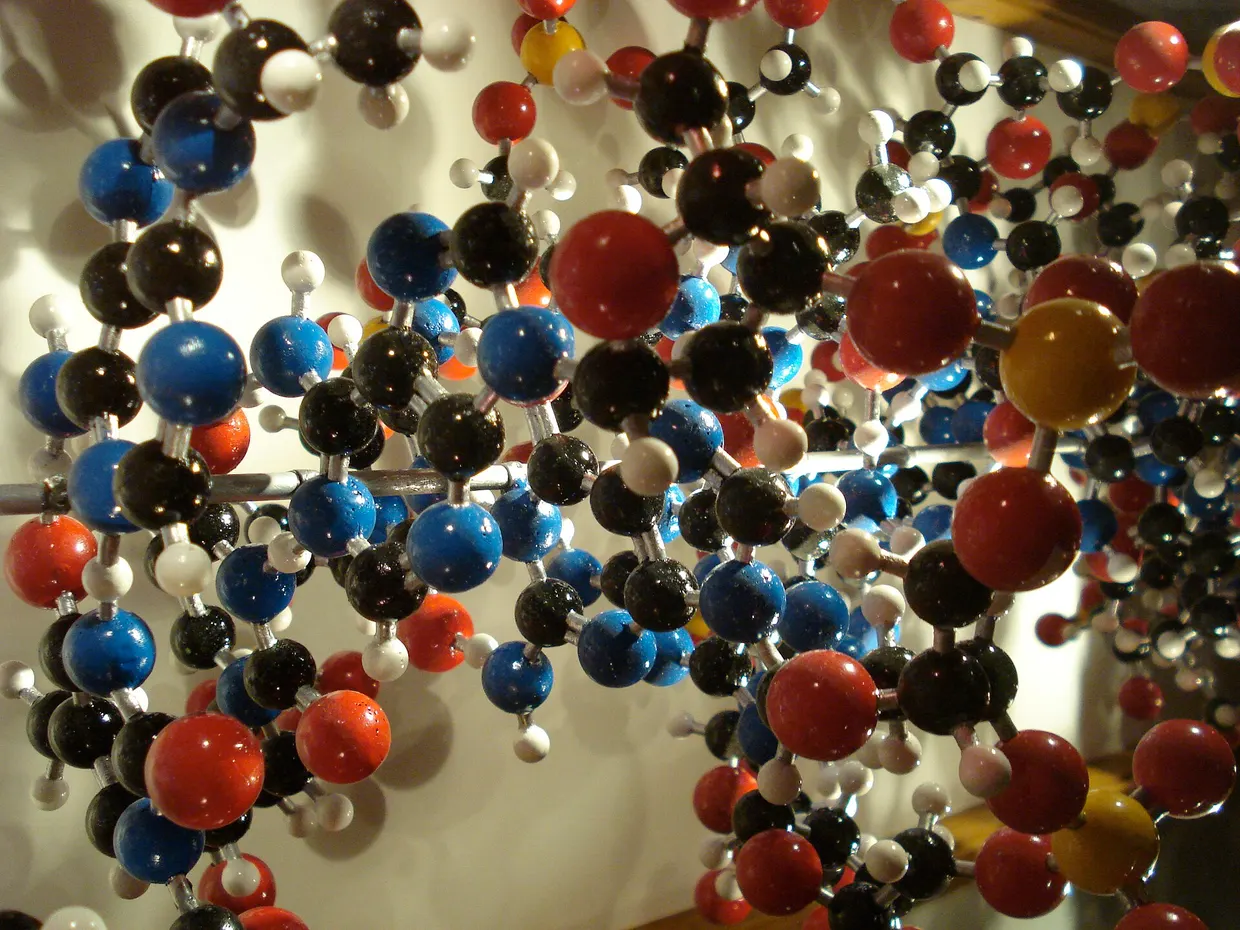
An automated miniature factory developed under the European DNAMIC project has turned digital archive material into synthetic DNA for long-term preservation, as reported by knowridge.com knowridge.com
knowridge.comknowridge.comOpen source ↗. The system was engineered through a collaboration led by the University of Geneva and the Swiss engineering school HE-Arc, involving Kaunas University of Technology, Genomika, the Technical University of Munich, Kilobaser, and Imperial College London. The public demonstration took place at the HE-Arc campus in Saint-Imier, Switzerland, where historical watchmaking records from the Jura Center for Economic Archives and Research were successfully transferred into a molecular medium.
Chemical encoding and automated synthesis
Standard digital records rely on binary sequences of zeros and ones, whereas DNA stores information using four chemical bases: adenine (A), thymine (T), guanine (G), and cytosine (C). The microfactory automatically translates the binary input into this four-letter chemical alphabet while adhering to biochemical sequence constraints required for reliable synthesis and subsequent readout. Rather than introducing genetic data into living biological organisms, the platform synthesizes non-biological strands of manufactured DNA that carry the specific encoded sequences. The encoding and chemical synthesis process takes several hours, rendering the system suitable for archival preservation rather than rapid-access computing storage.
Capsule encapsulation and operational limits
To ensure preservation without active power consumption, the synthesized DNA strands are sealed inside small stainless-steel capsules. These enclosures physically shield the molecules from oxygen, moisture, light, and ambient heat, allowing the archive to remain stable without the standby electrical power required by conventional digital media. Authors noted that the zero-power operational claim applies exclusively to the passive storage stage, as writing the sequences and retrieving the data still demand dedicated equipment and external energy. Widespread practical adoption will depend on resolving cost, synthesis speed, and read-write scaling limits.