Bristol and Pirbright Scientists Identify NKT-Like Immune Cells in Chickens
Researchers identified NKT-like cells in chickens in laboratory studies, revealing an immune mechanism that responds to lipid molecules across poultry breeds.
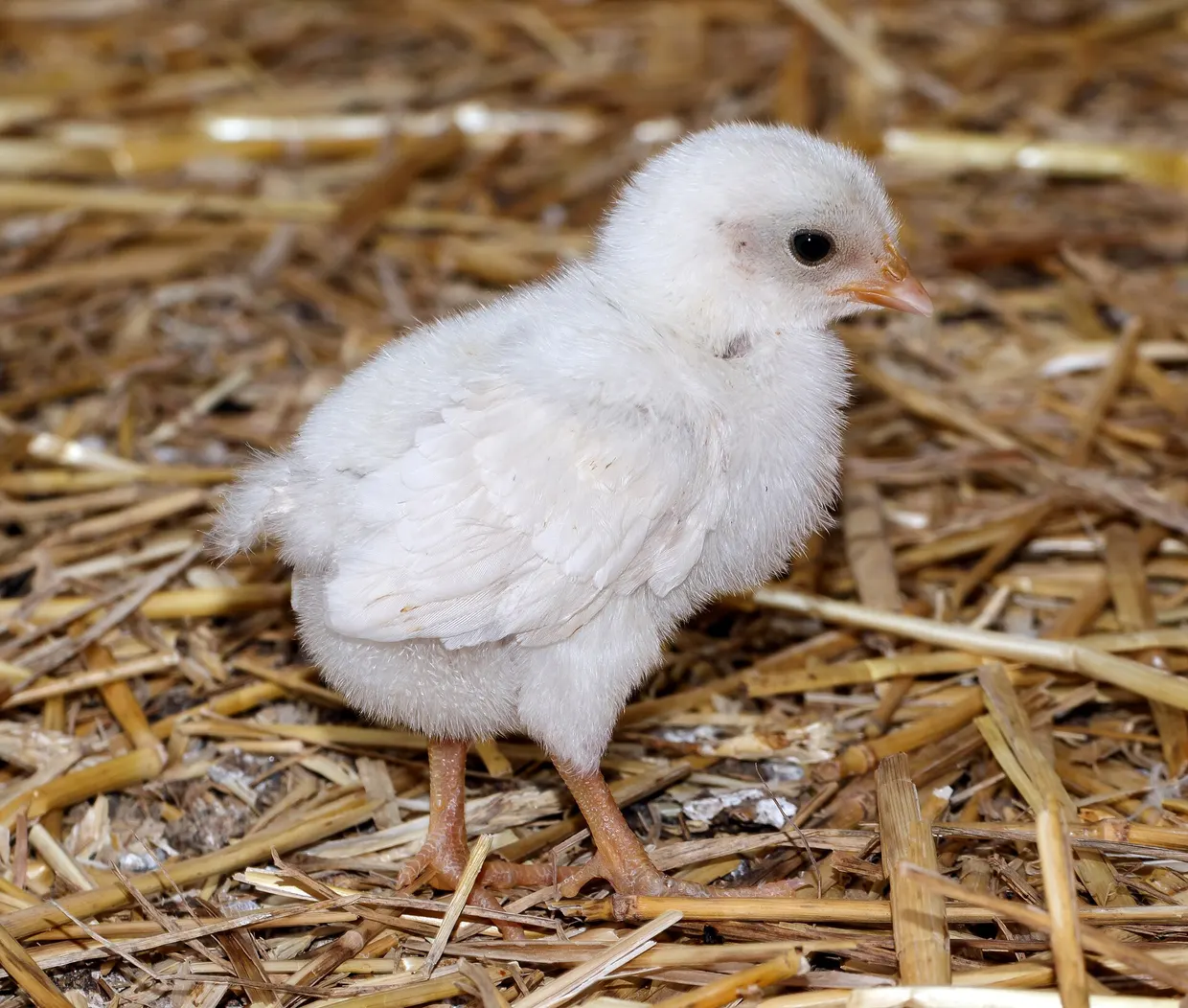
Researchers from the University of Bristol and the Pirbright Institute identified a previously unknown group of immune cells in chickens, according to lomazoma.com lomazoma.com
lomazoma.comlomazoma.comOpen source ↗. In a study published in the European Journal of Immunology, the authors described avian NKT-like cells that recognize specific lipid molecules, establishing the presence of an immune pathway previously characterized only in mammals.
NKT cells respond rapidly to infectious threats and assist the immune system in developing long-term protection. Prior to this investigation, it was not confirmed whether birds possessed comparable cellular mechanisms. The team confirmed that these avian NKT-like cells are present across different chicken breeds.
Mechanism of Cellular Activation
The authors demonstrated that the activation of these cells requires a two-step signal. When the immune system detects an infection, specialized cells produce a naturally occurring lipid molecule known as GM3 and present it on their outer surface. Simultaneously, these cells secrete chemical messengers that alert surrounding components of the immune system.
The avian NKT-like cells activate only when they detect both the presented GM3 lipid and the accompanying alarm messengers lomazoma.com
lomazoma.comlomazoma.comOpen source ↗. Once triggered, they coordinate defensive responses against pathogens.
Protective Functions and Vaccine Research
Following activation, the NKT-like cells perform two functional roles. They release messenger molecules that recruit additional immune cells to the infection site, supporting defense against bacteria such as Salmonella and Escherichia coli. Furthermore, they can directly destroy virus-infected or damaged host cells.
Study co-author Nitin Kamble stated that because this mechanism occurs in multiple breeds, it offers a shared target for poultry vaccine development. Researchers noted that combining vaccine formulations with lipid components like GM3 might stimulate multiple immune pathways simultaneously, though further research is required to evaluate protection under field conditions.