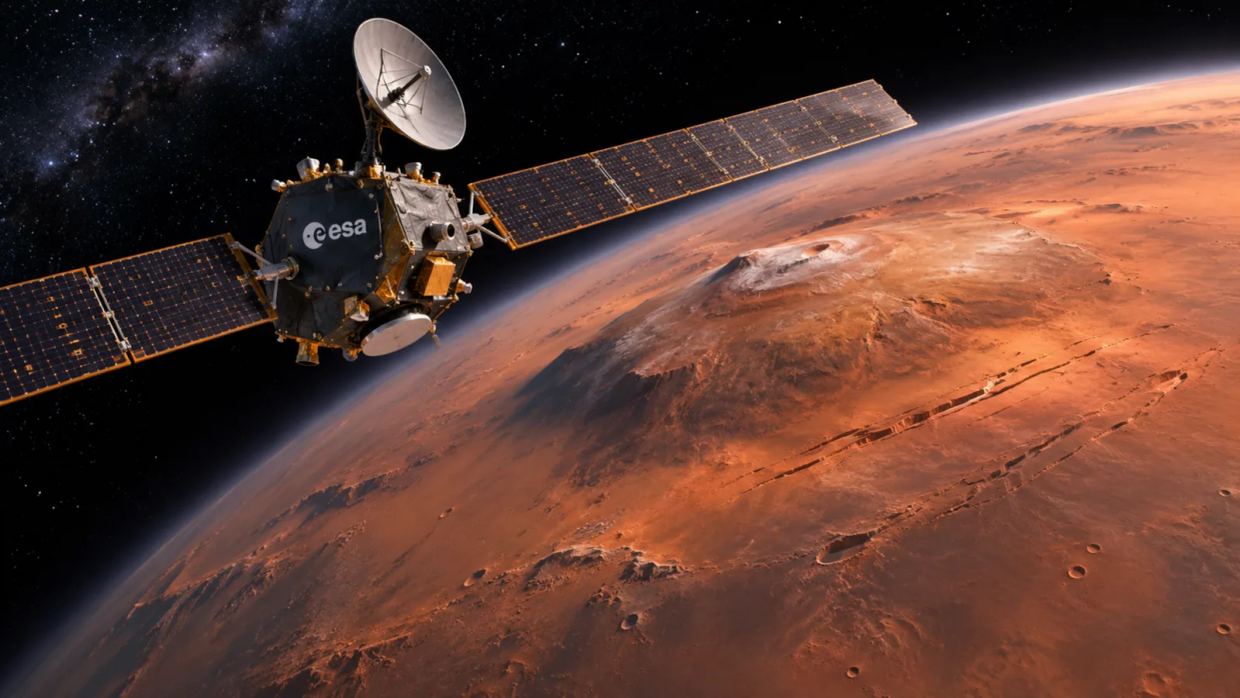
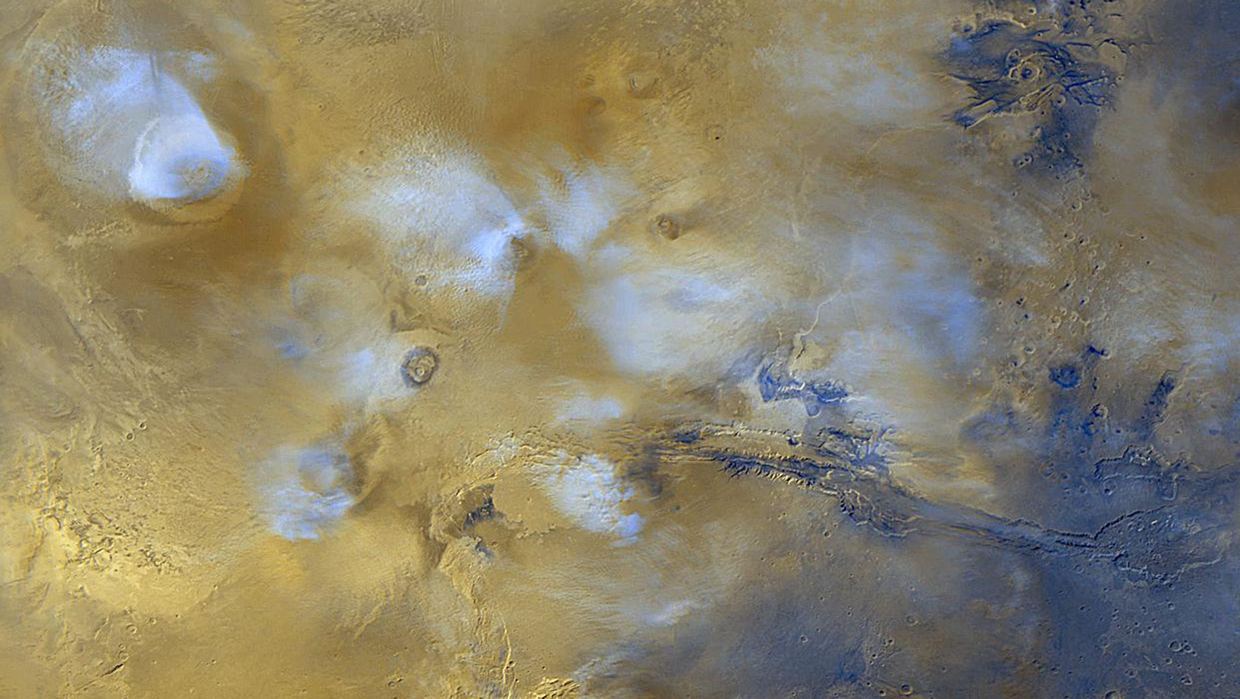
ExoMars TGO detected localized HCl over Mars volcano Alba Mons in northern summer
The orbiter's spectrometers recorded hydrogen chloride in a season when it is normally absent; the team links it to fissures, but active volcanism is not proven.
Rockets, satellites, stations, the Moon and Mars: launches, tests and the economics of orbit.
Updated
The orbiter's spectrometers recorded hydrogen chloride in a season when it is normally absent; the team links it to fissures, but active volcanism is not proven.
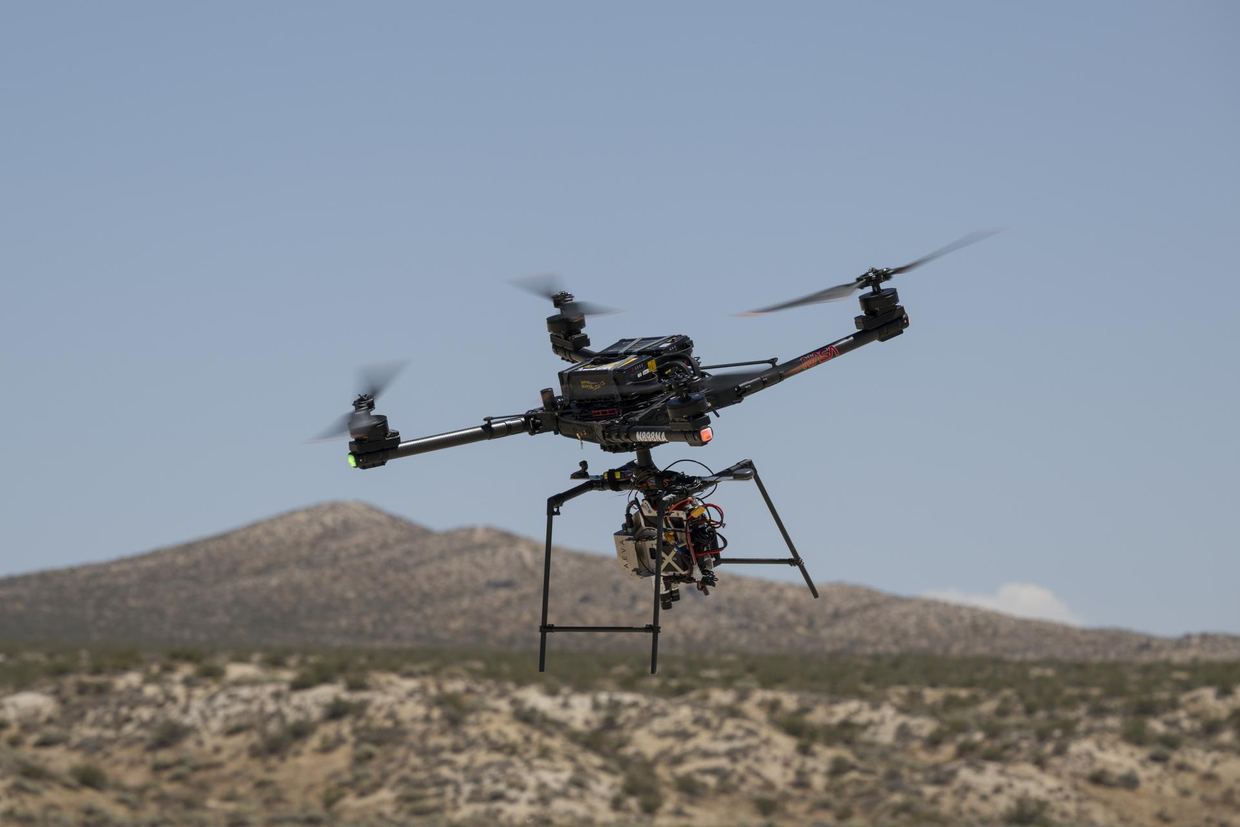
The SPLICE payload mapped terrain and assessed landing areas during a drone flight at Rogers Dry Lake, California. NASA reports the test raised the technology's readiness level.
Researchers at National Cheng Kung University found that the SLS launch changed ionospheric electron density by amounts equivalent to GPS errors of several meters.

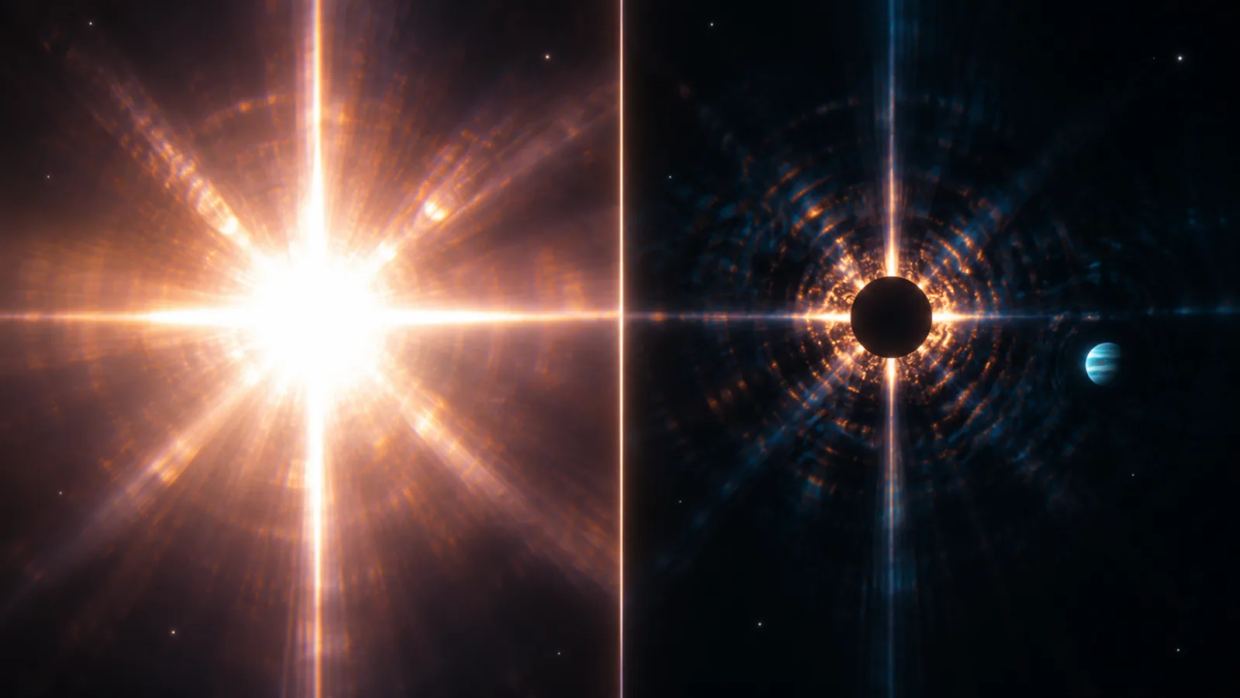
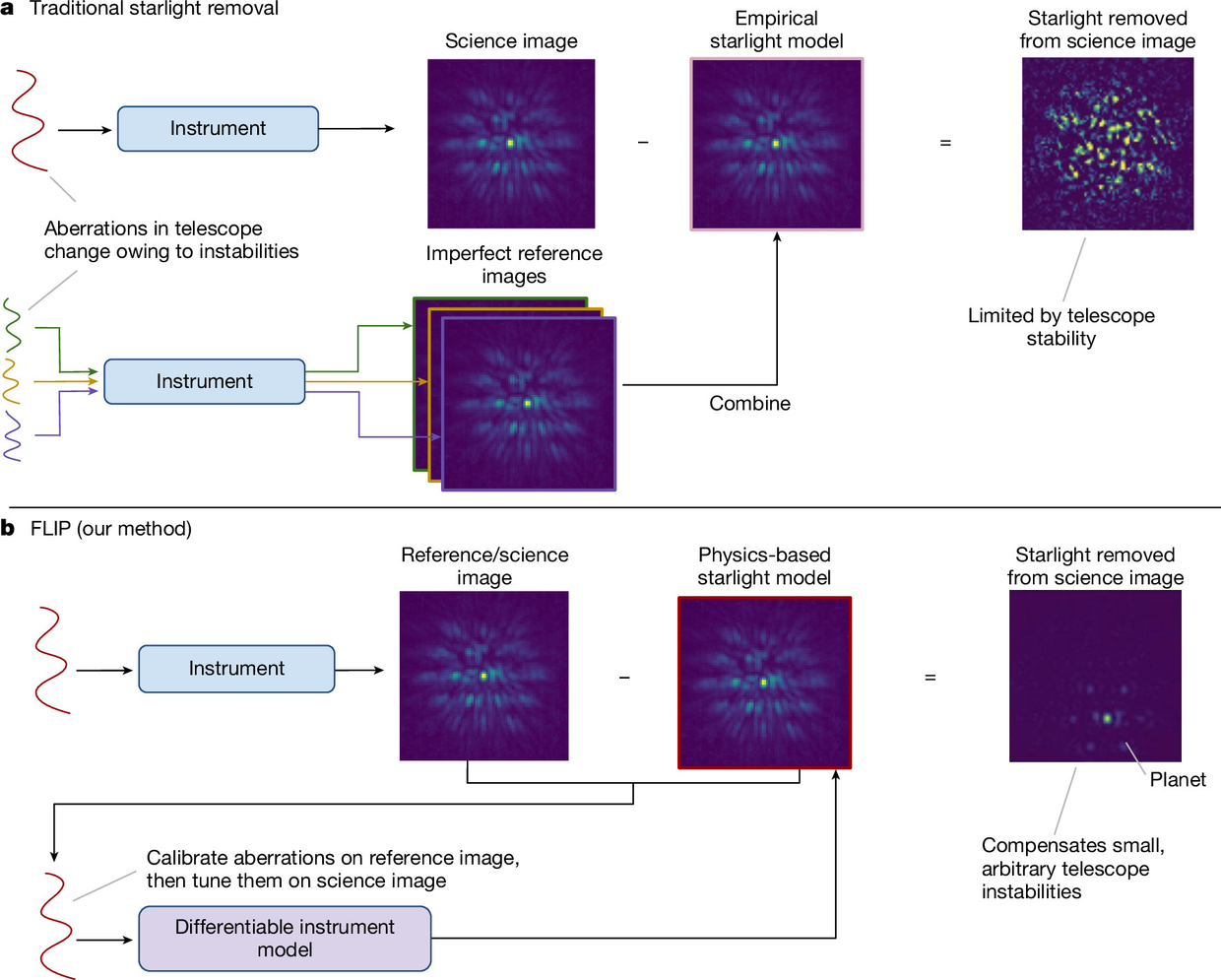
Physics-based processing of archival JWST coronagraph images removed residual starlight and revealed the giant planet 51 Eridani b, which conventional processing missed.
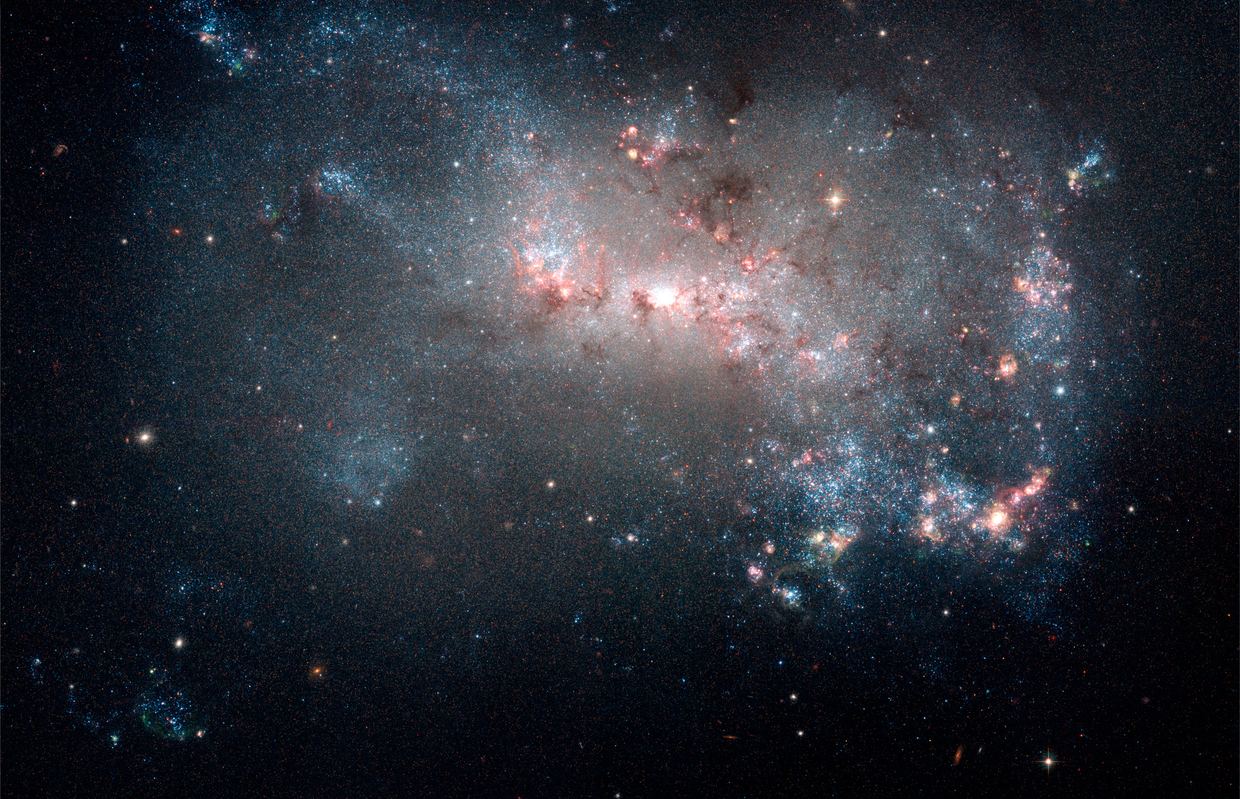
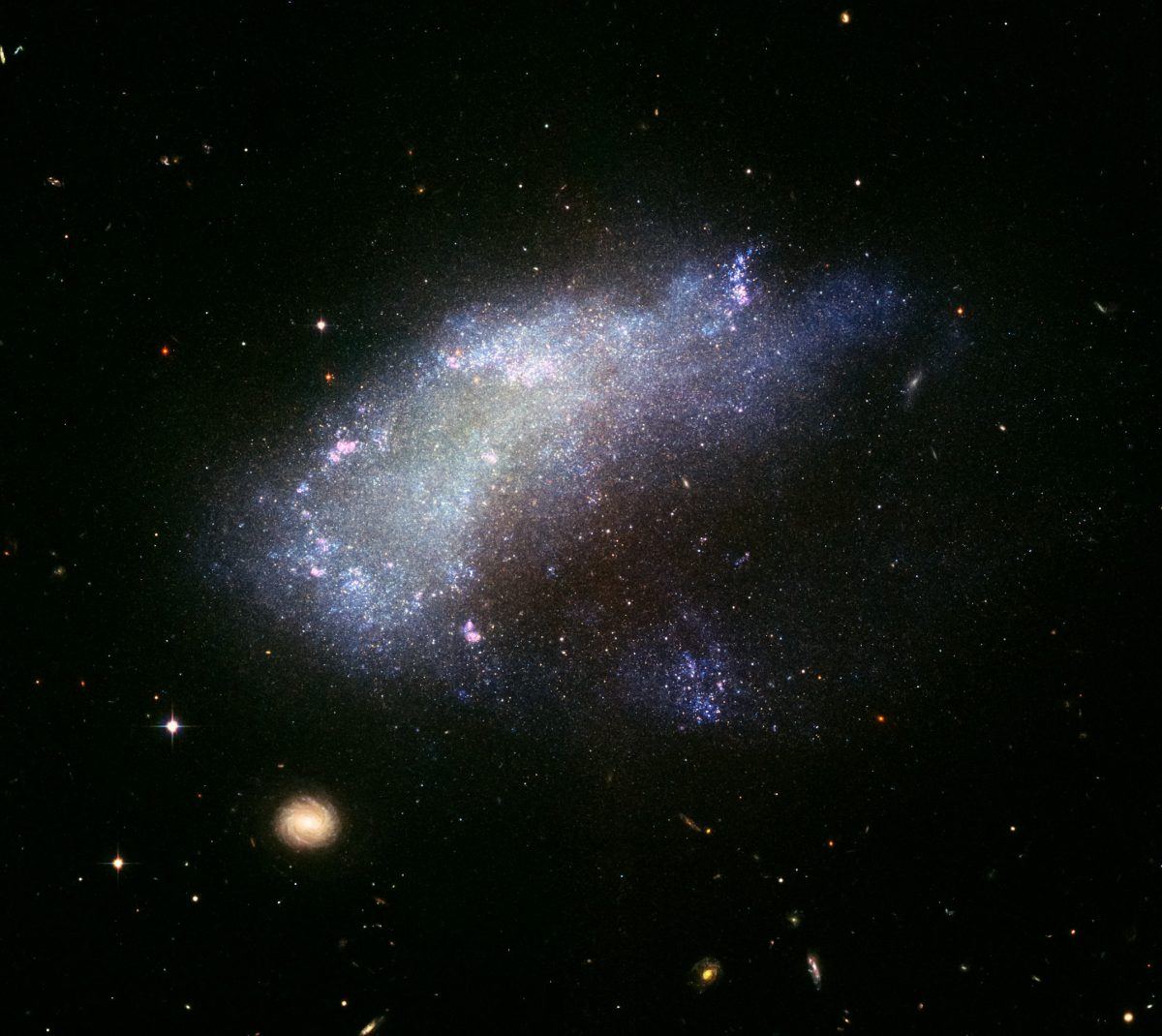
A study in The Astrophysical Journal found that dwarf galaxies retain only a small fraction of the oxygen their stars produce, far less than simulations predict.
Authors report a physics-based starlight subtraction method tested on real JWST NIRCam data. It reduces dependence on the stability of reference images.
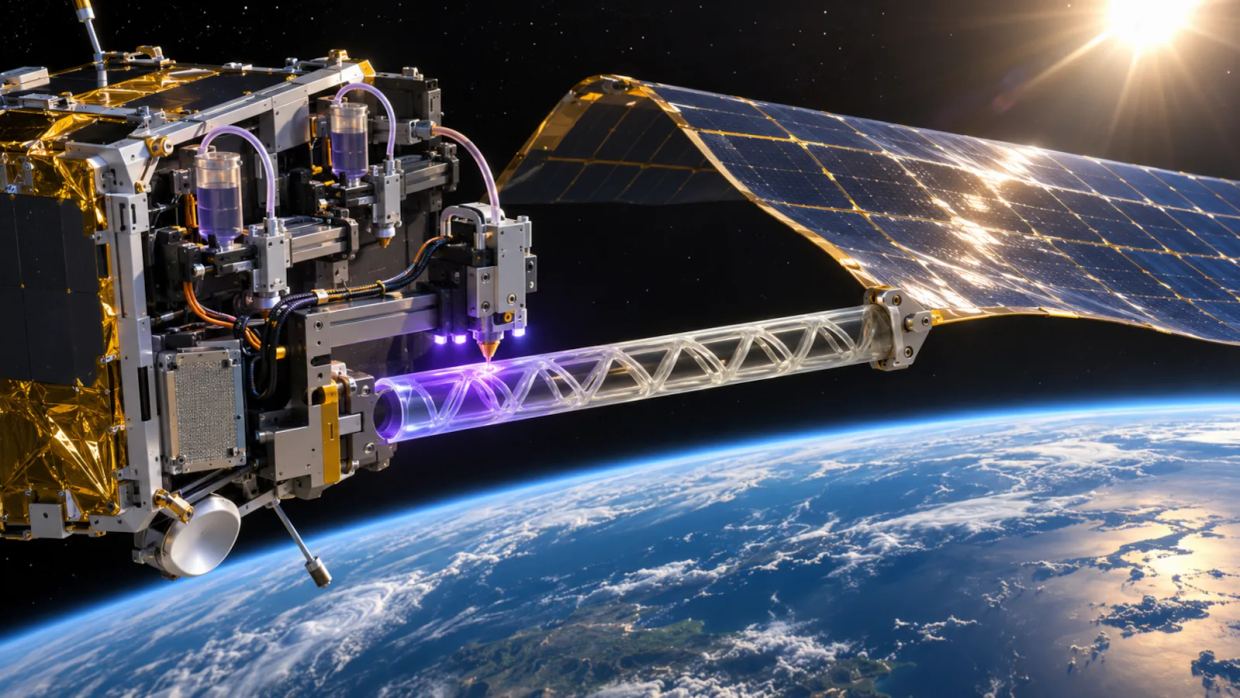
Orbital Matter says its 13 kg demonstrator printed a rigid beam in vacuum and helped unfold a solar module. Load capacity data are not yet published.
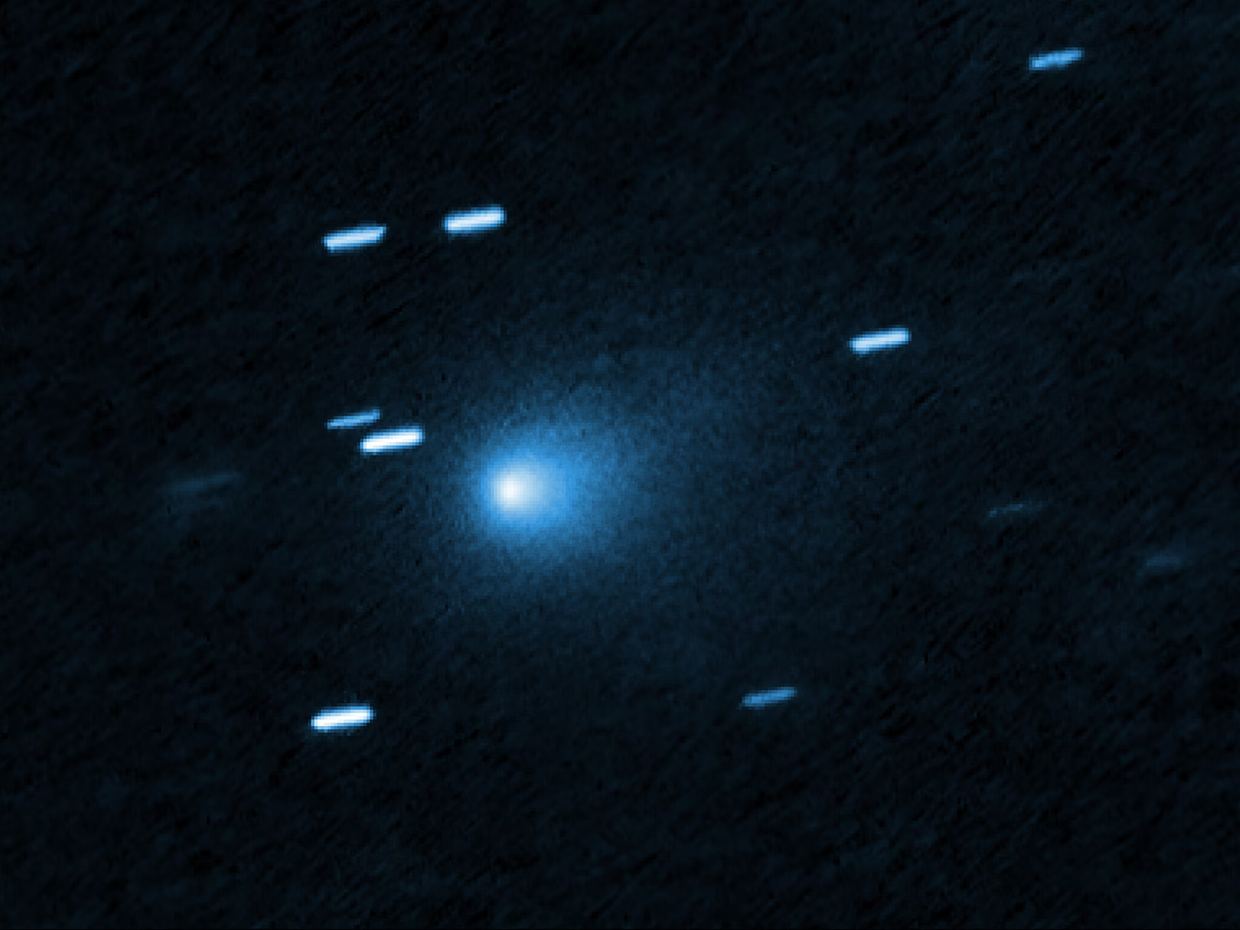
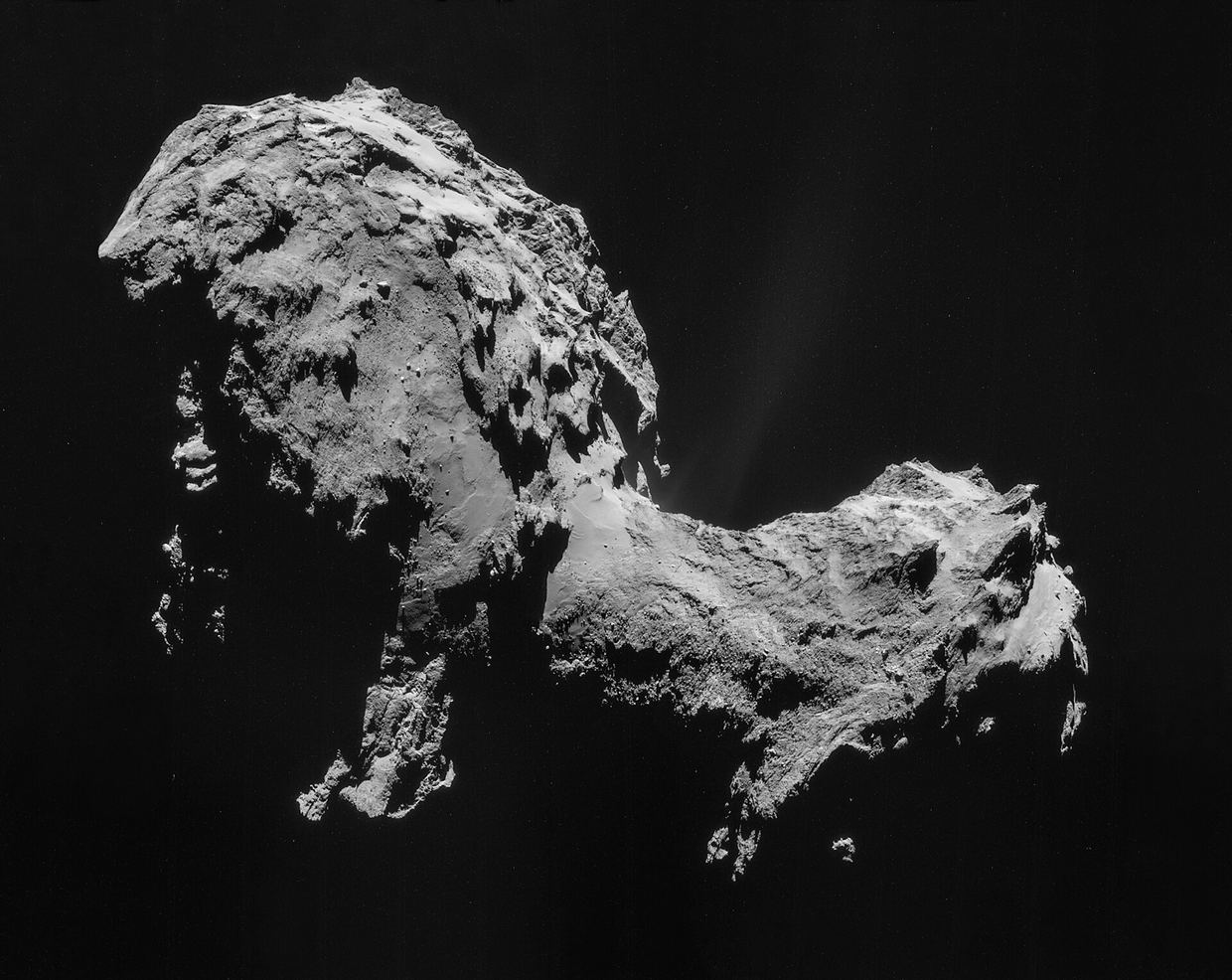
Astrophysicists measured the deuterium-to-hydrogen ratio in the methane of 3I/ATLAS and found it about 13 times that of comet 67P. The exact age remains uncertain.
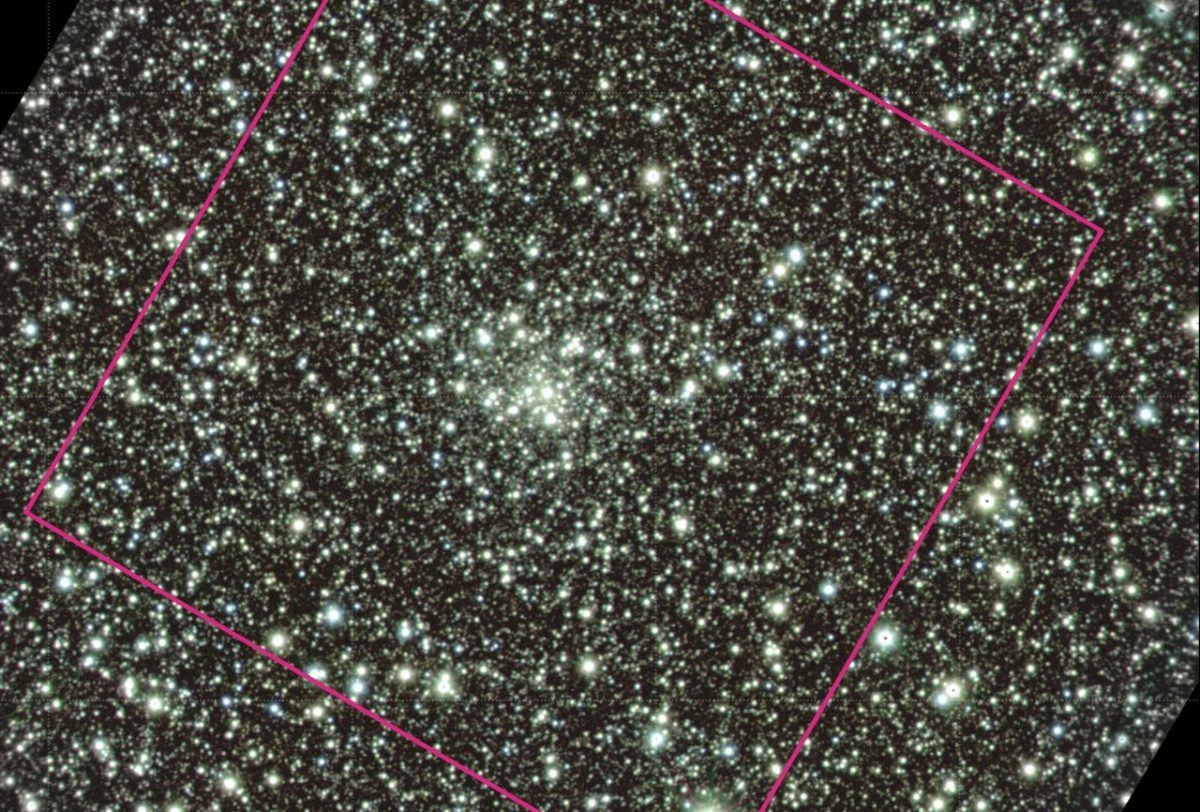
Astronomers for the first time measured the distance and age of VVV CL001 using turnoff and horizontal-branch stars. The age is close to that of the Universe.
Teg 001 is a slowly cooled igneous rock whose composition, mineralogy and texture differ from other Martian meteorites. It shows signs of reactions with fluids.

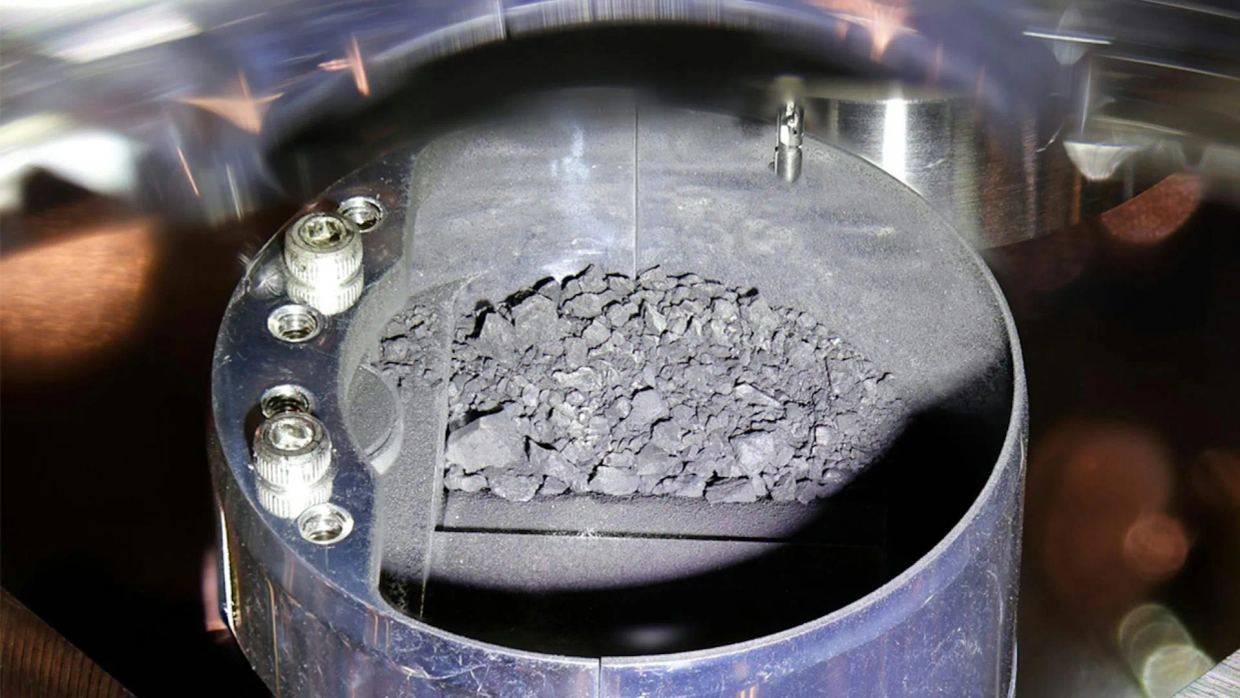
Two samples returned by JAXA's Hayabusa2 in 2020 contain adenine, guanine, cytosine, thymine and uracil in roughly similar amounts. Bennu samples gave the same set.
Researchers led by the University of Cambridge modeled comet impacts and found that organic molecules would almost always be destroyed. Mars may have been slightly more favorable.
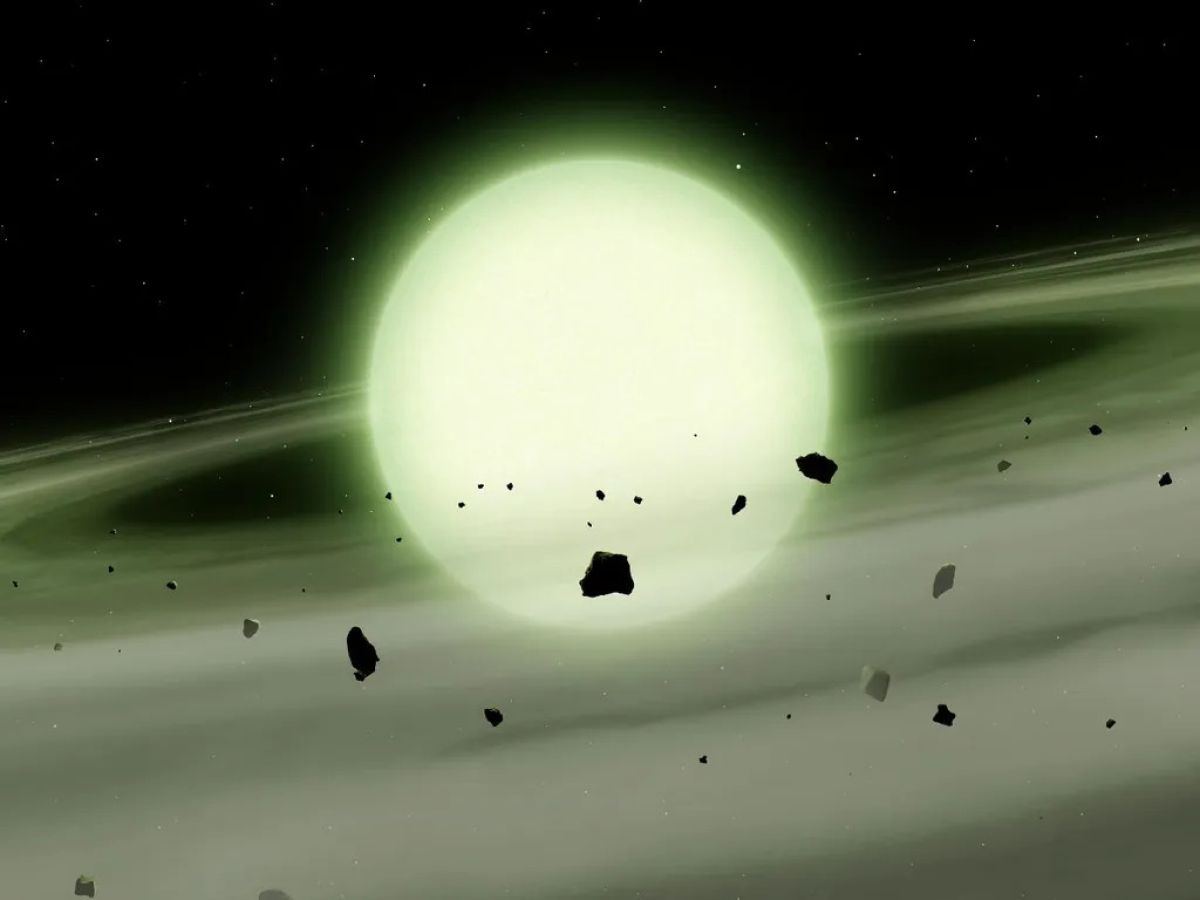
A British-German team used the spectra of 151 white dwarfs to model how the human eye would see them. Most are white; a few show green, pink or red surfaces.
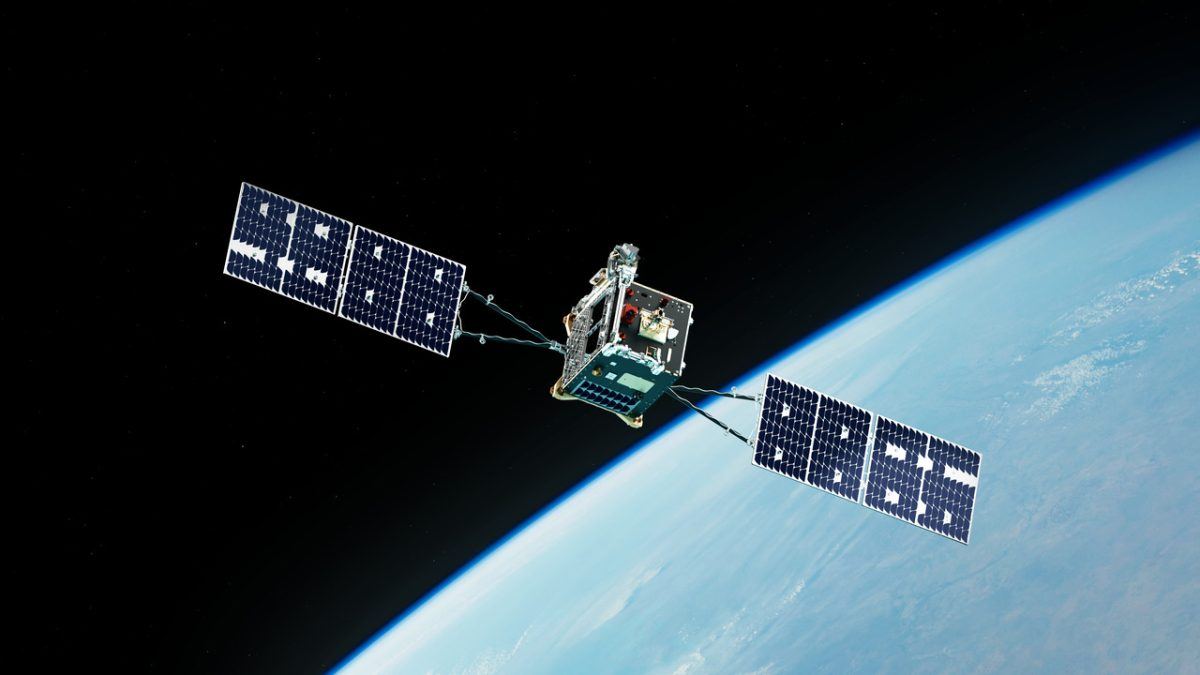
A fault-protection software error switched off the radio of the Otter demonstrator launched 1 October; NASA and the company concluded it cannot be recovered.
Astronomers of the GLOW project report that dwarf galaxies keep 4–25% of the oxygen made by their stars. The rest was apparently expelled, with supernovae named as the main driver.
ESA's Trace Gas Orbiter recorded hydrogen chloride rising through fresh fissures in Alba Mons, which the authors link to a dormant magma chamber beneath the surface.

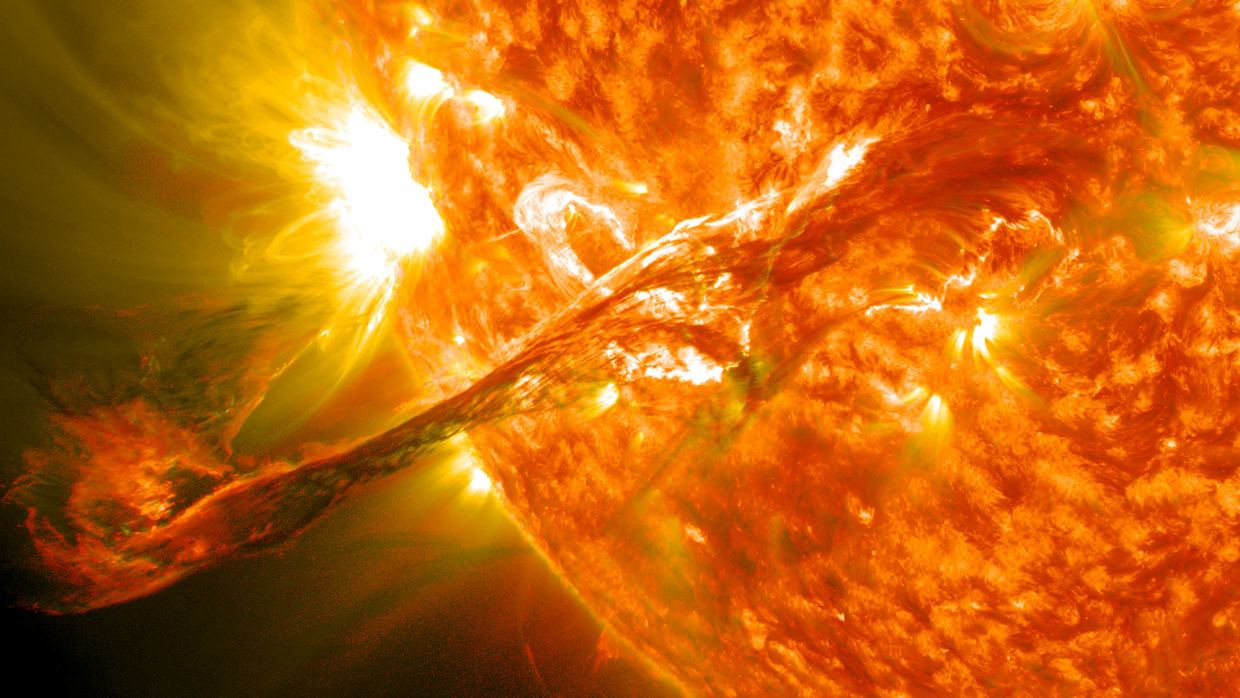
An international team using Parker Solar Probe data found that the preferred rotation of turbulent magnetic fields flips where fluid-like plasma behavior gives way to particle dynamics.
A Science Advances study links a localized hydrogen chloride signal to possible magma beneath Alba Mons; the authors call the link a hypothesis.
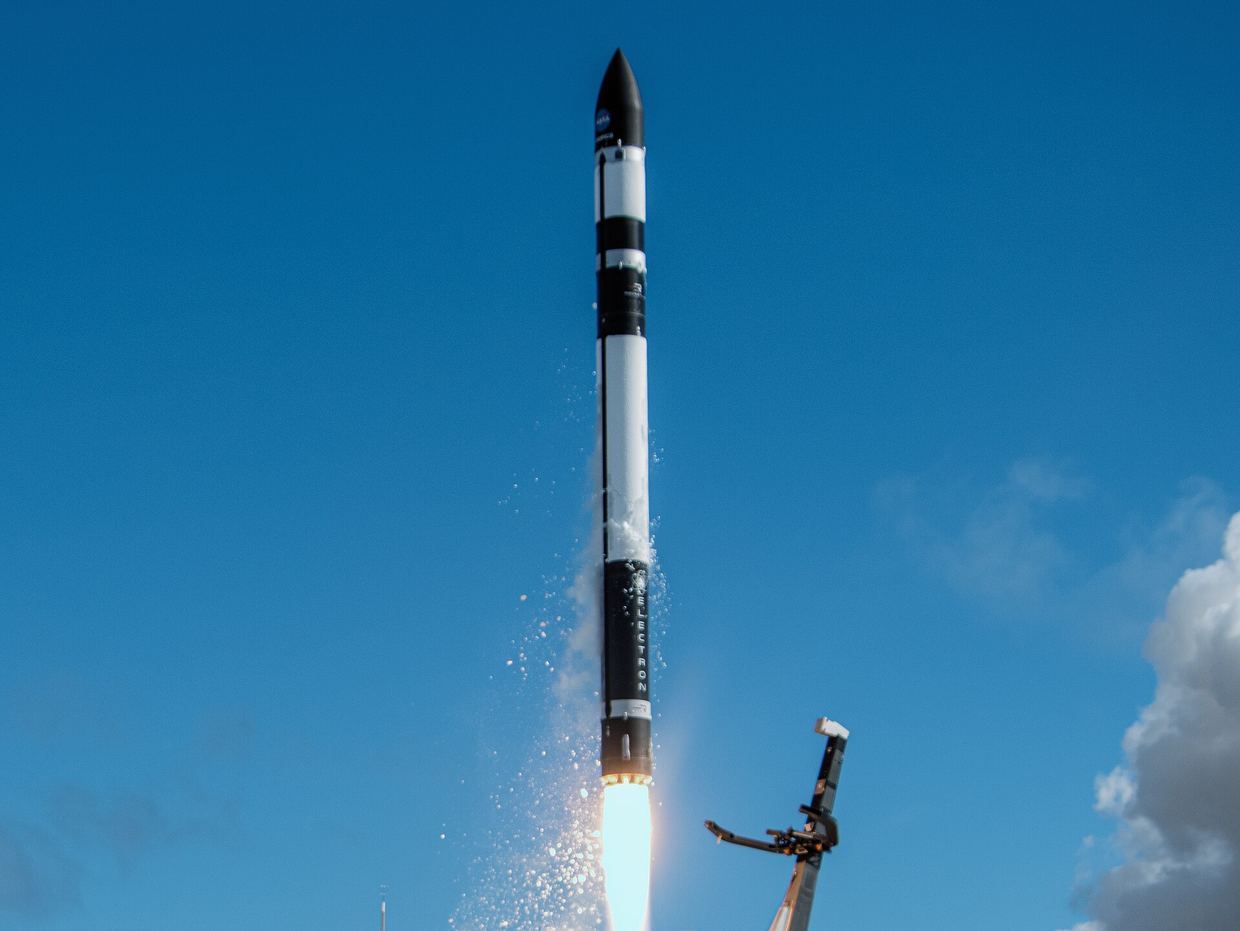
Electron deployed the WADATSUMI-II synthetic aperture radar satellite for Japan's iQPS, Rocket Lab's 20th mission of 2026.
You’ve reached the end of the feed