Study of 79 prints on 36 terracotta figures indicates work by women and youth
Analysis of clay impressions from Qin Shi Huang's complex indicates varied labor participation, challenging assumptions of an all-male adult workforce.
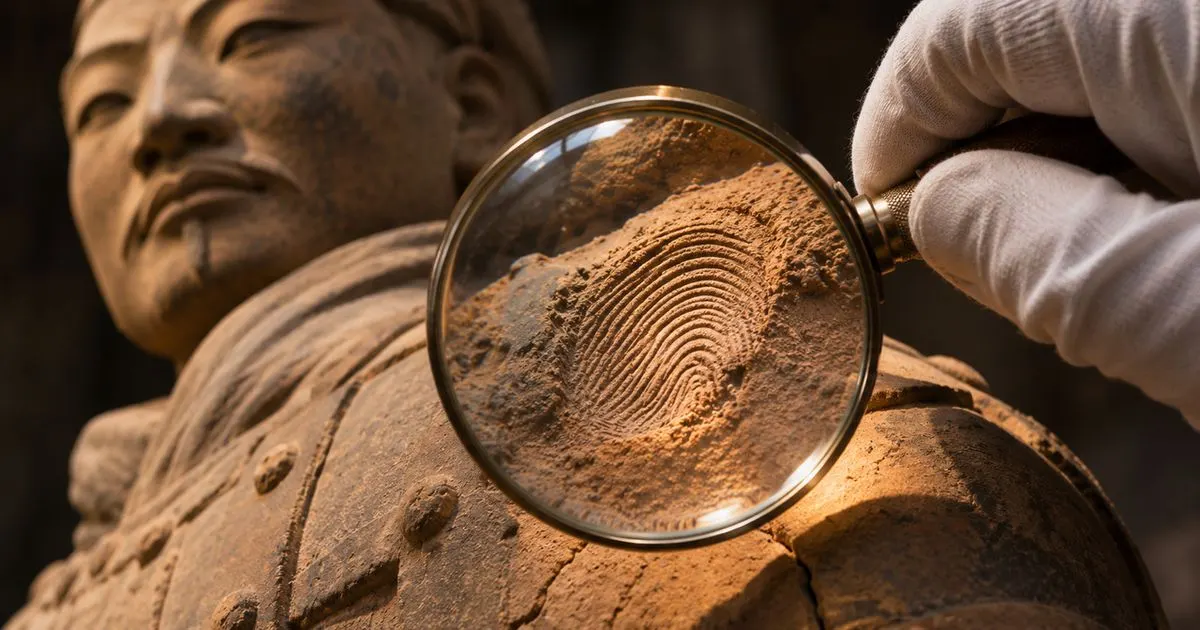
Archaeologists analyzed 79 distinct impressions preserved across 36 statues from the Terracotta Army, as reported by catracalivre.com.br. Farmers originally discovered the complex in 1974 while digging a well, revealing clay figures crafted for the mausoleum of Qin Shi Huang catracalivre.com.br
catracalivre.com.brcatracalivre.com.brOpen source ↗. By evaluating ridge density on clay surfaces that hardened after contact, a probabilistic model associated approximately 45% of the analyzed marks with adult men, 32.7% with adult women, and 22.3% with youth under 15 years of age.
Morphometric analysis of clay ridges
The research relied on epidermal ridge density variations that statistically differentiate population groups. Because ridge values can overlap across demographics, researchers applied statistical modelling rather than individual nominal identification to evaluate the assemblage. Variables such as clay shrinkage during drying and the natural preservation quality of impressions introduce technical uncertainty, requiring comparisons with reference data.
Sample limits and labor distribution
The analyzed marks originate from a specific unit within a single pit rather than the entire archaeological site. Researchers emphasize that mark counts do not directly correspond to an exact head count of workers, total hours worked, or assigned specialized roles. A single artisan could contact multiple pieces or leave several prints on one segment during assembly. The findings provide statistical evidence of demographic diversity among laborers in the examined unit without defining the social status, wages, or voluntary nature of their involvement.