Hohai University quantified economic and ecological costs of Chinese greenhouse agriculture
Researchers measured yield gains, soil acidification, and carbon intensity across nine agricultural zones in China.
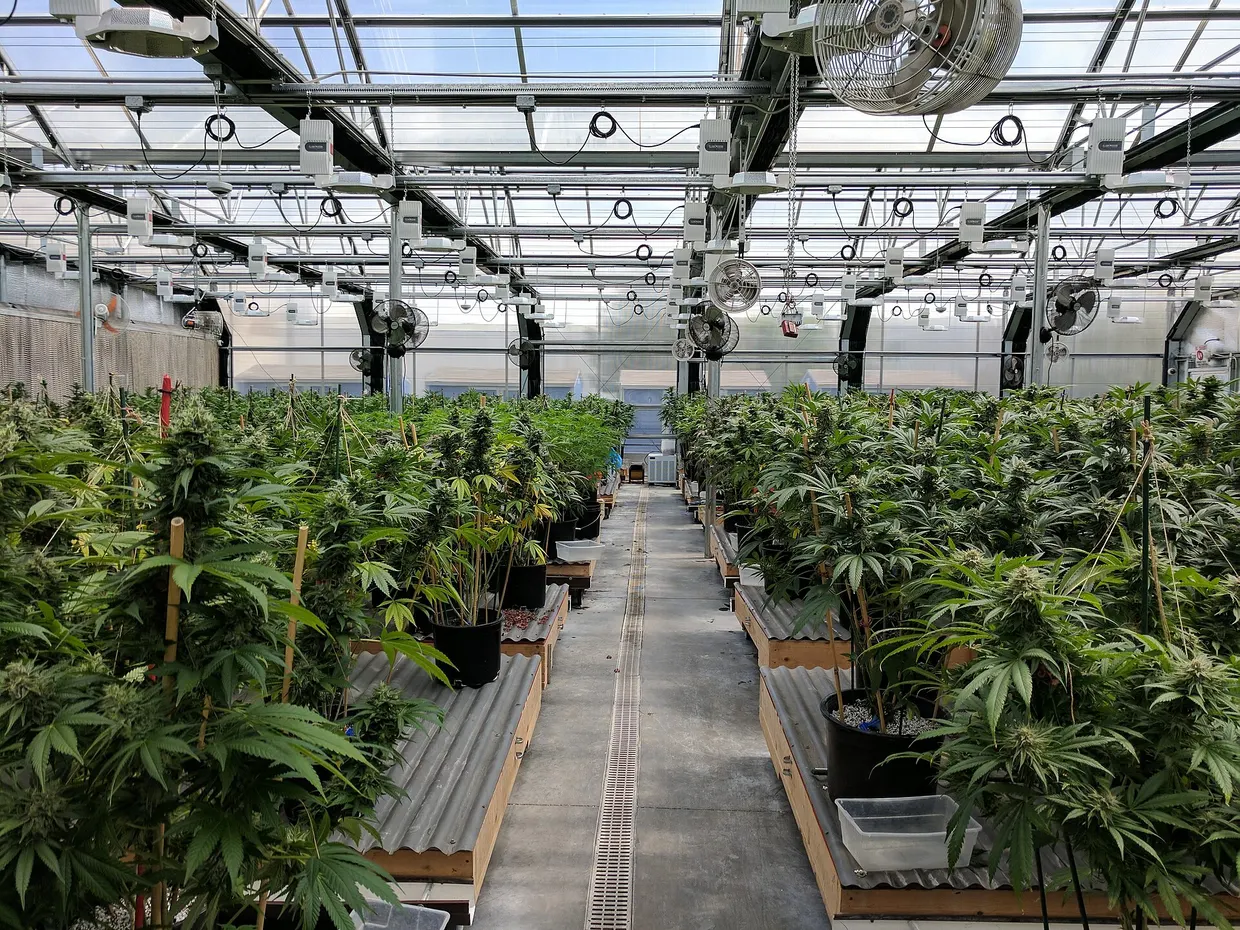
In a study published in Geography and sustainability, researchers from Hohai University systematically evaluated the ecological and economic parameters of greenhouse farming across China’s nine major agricultural zones sciencedirect.com
Geography and sustainabilitysciencedirect.comOpen source ↗. Drawing on soil samples, farmer questionnaires, and statistical records, the team analyzed the cultivation of tomatoes, nectarines, and grapes. The findings revealed that while greenhouse systems delivered yields 1.04 to 1.77 times higher than open-field cultivation, the accompanying production costs surged by 2.19 to 3.41 times.
Soil acidification and nutrient imbalance
The environmental evaluation showed marked shifts in soil chemistry within protected environments. The soil pH in agricultural greenhouses was 0.25 to 3.05 units lower than in adjacent open-field control plots, indicating widespread acidification. Soil organic matter saw only minor gains, remaining below 30 g/kg, whereas concentrations of phosphorus and potassium accumulated substantially in the greenhouse substrate.
Heightened carbon emission intensity
Carbon emission intensities for the studied crops were 2.40 to 6.72 times higher under greenhouse management than in open-field systems. The emission drivers varied by crop type. Nectarine greenhouses registered the highest carbon intensity, where plastic mulch accounted for more than 64.39% of total emissions. For tomatoes and grapes, combined inputs of pesticides and plastic film were responsible for over 80% of total greenhouse gas output.