Hebrew University: nitric oxide feedback loop sustains synaptic potentiation in octopus brain
Experiments on the vertical lobe of Octopus vulgaris show nitric oxide maintains long-term potentiation through persistent NOS activation, reported in Journal of Neuroscience.
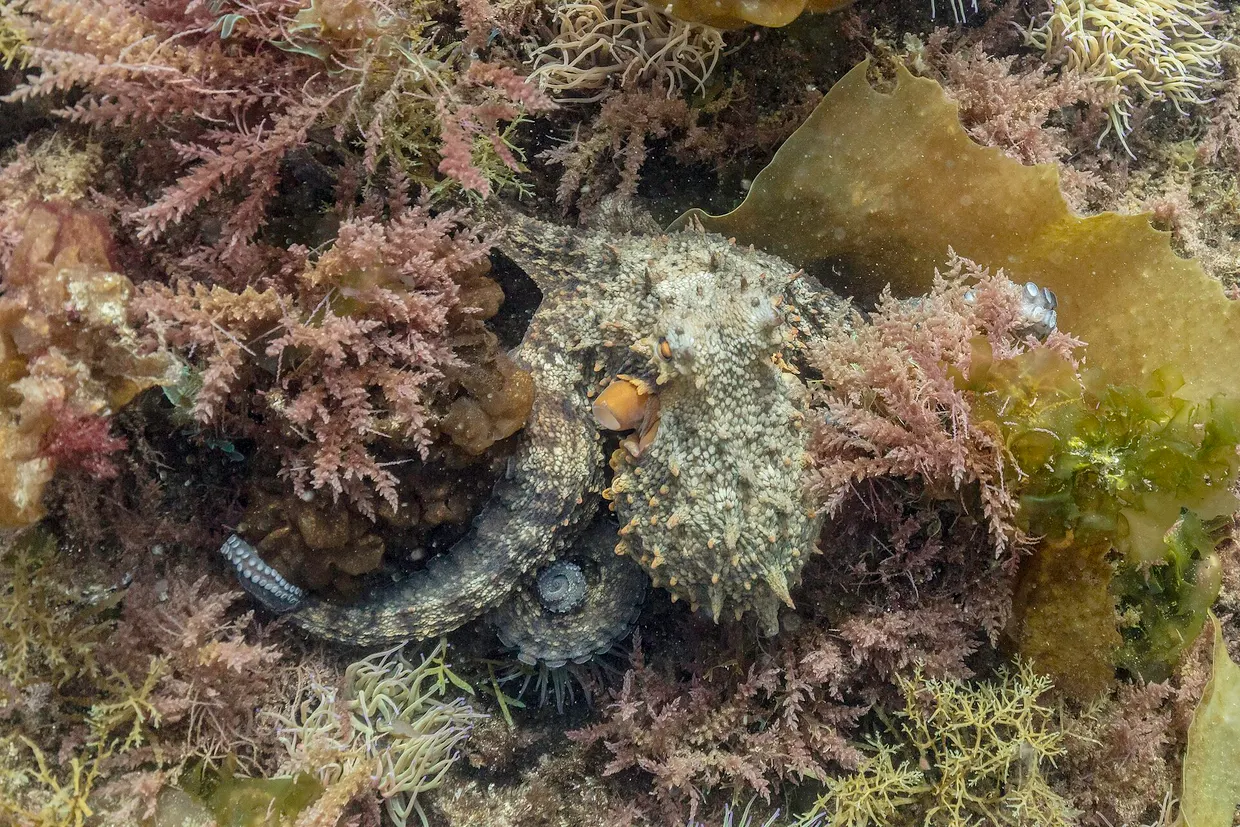
A team led by Ana Luiza Turchetti-Maia, Tal Shomrat and Binyamin Hochner from the Hebrew University of Jerusalem and Ruppin Academic Center has described a nitric oxide (NO)-dependent mechanism that maintains strengthened synaptic connections in the octopus brain. The experimental study on Octopus vulgaris was published in the Journal of Neuroscience. doi.org
Journal of Neurosciencedoi.orgOpen source ↗
The work focused on the vertical lobe, a brain region on which the octopus's learning capability depends. Synaptic input into this lobe shows robust activity-dependent long-term potentiation (LTP), a process widely considered one of the fundamental cellular mechanisms of learning and memory. The molecular steps behind it were only partially understood.
Role of nitric oxide in LTP
The authors report that, contrary to the prevailing view, NO does not mediate LTP induction in the octopus vertical lobe. Tetanization-induced LTP occurred even in the presence of inhibitors of NO synthase (NOS), the enzyme that produces NO.
However, NOS inhibitors blocked the long-term presynaptic expression of LTP, and high doses of an NO donor induced short-term synaptic potentiation. The authors interpret this as evidence that a persistent rise in NO concentration mediates LTP expression. doi.org
Journal of Neurosciencedoi.orgOpen source ↗
Molecular switch and maintenance
In a distinct group of synapses, NOS inhibitors also disrupted LTP maintenance. After the drug was washed out, high-frequency stimulation reinstated full LTP, which suggests that NO is involved in maintaining it.
The authors propose a molecular-switch mechanism: a positive feedback loop in which NO-dependent reactivation of NOS sustains its persistent activation, thereby maintaining LTP. Retrograde diffusion of NO then facilitates presynaptic transmitter release, which drives LTP expression.
According to the study's press release, this process can maintain LTP without the production of new proteins, unlike many well-studied forms of memory-related plasticity in vertebrates. The authors say the findings show how adaptation of molluscan molecular mechanisms contributed to the advanced cognitive abilities of octopuses. doi.org
Journal of Neurosciencedoi.orgOpen source ↗