Twelve O-GlcNAc sites in BRD4 disordered region tune condensate fluidity and gene expression in cells
Authors of a Protein & Cell study found that O-GlcNAc sites cluster in disordered regions of transcription-related proteins; in BRD4, the modification makes condensates smaller and more fluid.
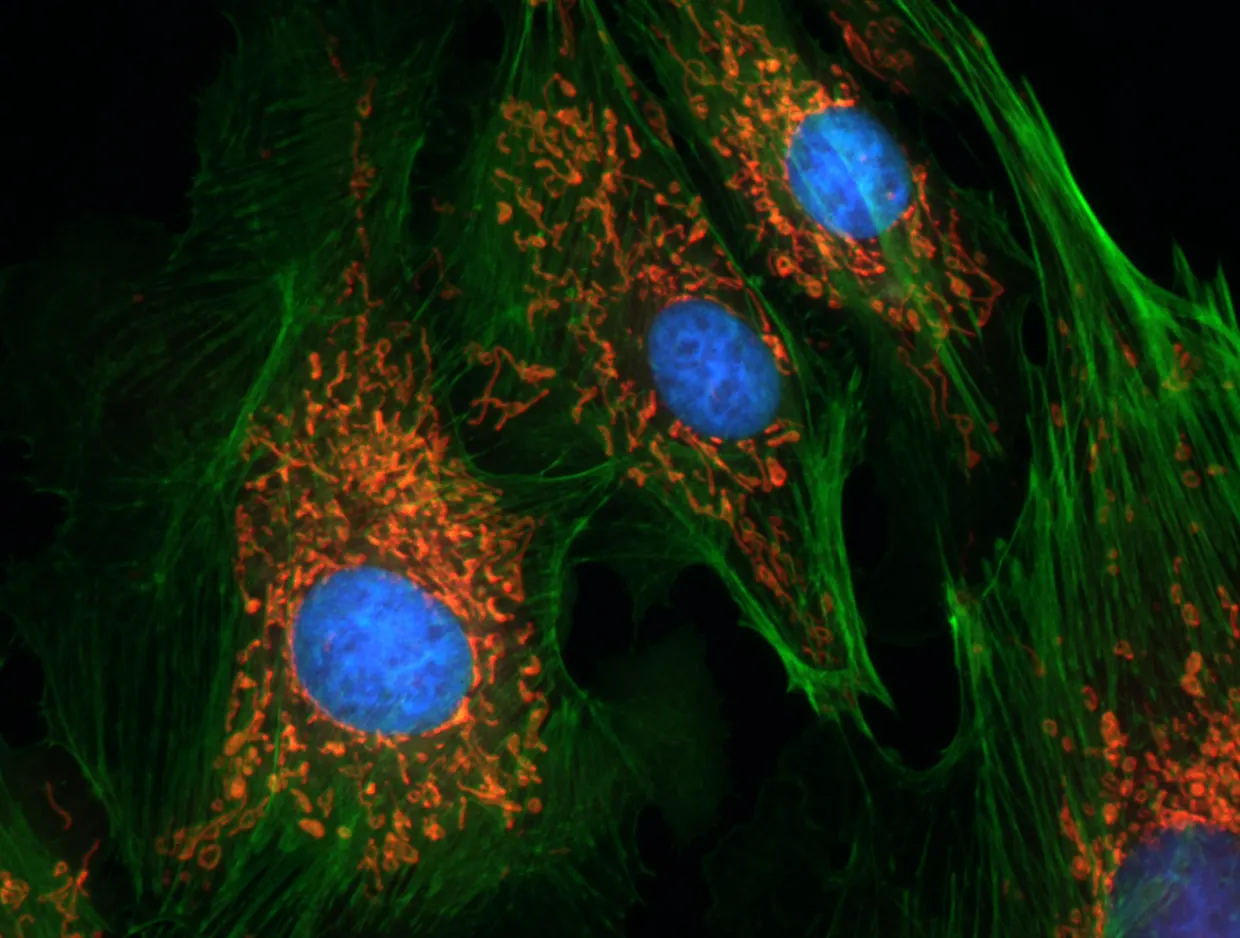
A research group reported in Protein & Cell that O-linked β-N-acetylglucosamine (O-GlcNAc) modifications form clusters in intrinsically disordered regions (IDRs) of transcription-related proteins and regulate liquid-liquid phase separation (LLPS). The work was released on 5 November 2026 through Higher Education Press. BRD4 (Bromodomain-containing protein 4) showed this pattern most prominently, with twelve clustered O-GlcNAc sites in its C-terminal IDR oup.com
Protein & Celloup.comOpen source ↗.
O-GlcNAc clusters and phase separation
Post-translational modifications are known to regulate LLPS, which organizes biomolecular condensates, but general rules for O-GlcNAc had not been defined. The authors performed a proteome-wide analysis of the human O-GlcNAcome. According to their data, O-GlcNAc sites are enriched in IDRs and often form dense groups, termed O-GlcNAc clusters.
These clusters were strongly associated with phase-separating proteins, particularly transcriptional regulators. Proteins containing clusters had a significantly higher phase-separation propensity. Similar regulatory effects were observed in several other transcription-associated condensate proteins.
BRD4 condensates and transcription
In BRD4, the twelve sites in the C-terminal IDR acted cooperatively rather than individually. The modification decreased condensate size and increased fluidity, both in vitro and in cells oup.com
Protein & Celloup.comOpen source ↗.
Multi-omics analyses examined what happens when O-GlcNAc is removed. BRD4 binding strengthened at active enhancers, including super-enhancers. LLPS-mediated recruitment of transcriptional cofactors, including YTHDC1, increased as well.
This was accompanied by elevated expression of genes linked to the cell cycle, DNA damage repair and cell proliferation.
The authors conclude that O-GlcNAc clusters regulate the material properties of condensates and transcriptional outcomes. In their interpretation, post-translational modifications fine-tune the molecular grammar of biomolecular condensates, and several individually weak glycosylation events act together to control protein assembly, chromatin engagement and gene expression oup.com
Protein & Celloup.comOpen source ↗.
The study is experimental: the data come from in vitro assays, cultured cells and omics analyses. The article is published in Protein & Cell (DOI 10.1093/procel/pwag053).