VCU initiative links VR headset use to lower pre-surgery anxiety in children
A quality-improvement initiative involving 80 pediatric patients demonstrated measurable drops in distress, fear, and blood pressure before operations.
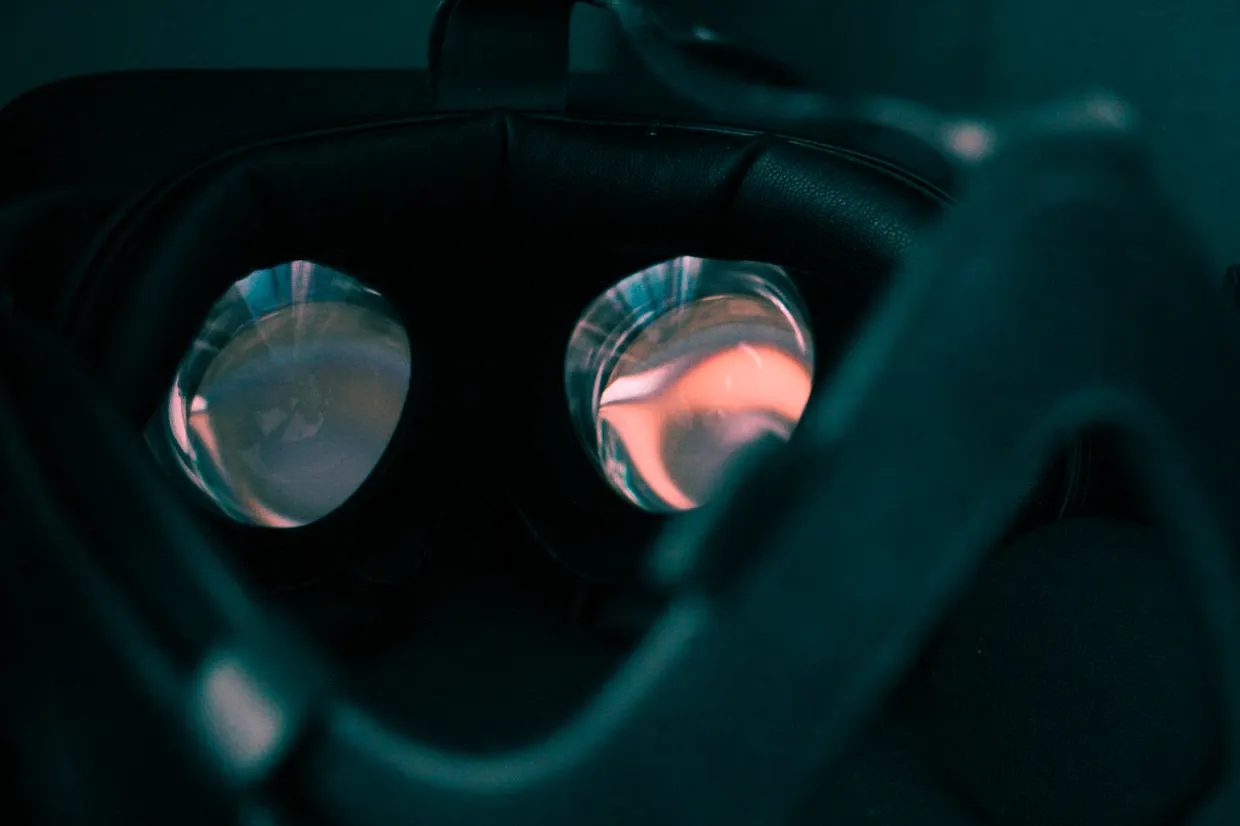
A team led by Dayanjan Wijesinghe at Virginia Commonwealth University integrated a virtual reality intervention into a pediatric preoperative holding area in Richmond, Virginia, during a nine-month quality-improvement initiative. In a study published in PLOS Digital Health (doi.org/10.1371/journal.pdig.0001219), researchers evaluated within-subject changes in 80 children aged 6–15 scheduled for elective surgery plos.org
doi.orgplos.orgOpen source ↗. Using a Meta Quest headset, patients entered a custom environment featuring an interactive children's room or a beach scene.
Following the VR exposure, self-reported distress on a 0–10 Numerical Rating Scale decreased by a median of 2.0 points, dropping from a baseline median of 3.0 down to 1.0 (p < 0.001). Fear scores on the 0–4 Children's Fear Scale declined by a median of 1.0 point, moving from 1.0 to 0.0 (p < 0.001). The researchers noted that 46 of the 80 children met the threshold for clinically meaningful improvement in distress, while 44 achieved the threshold for fear reduction.
Physiological indicators and acceptance
The intervention also coincided with decreases in autonomic arousal. The children's heart rate dropped by a mean of 5.8 beats per minute, and systolic blood pressure fell by an average of 4.1 mmHg (both p < 0.001). Acceptance rates were high among stakeholders: 91% of the children reported willingness to use the headset again, 95% of parents indicated they would recommend the intervention, and all participating nurses endorsed the workflow. Adverse effects were rare and minor, occurring in 3 out of 80 participants.
Observational study limitations
The initiative relied on an uncontrolled, single-arm pre-post design without a comparison group. According to the authors, the observed declines in anxiety cannot be attributed exclusively to the VR software plos.org
doi.orgplos.orgOpen source ↗. The results may partly stem from natural settling over time, non-specific attention, habituation to the environment, or regression to the mean. The authors concluded that controlled comparative clinical trials remain necessary before such digital interventions are routinely adopted in pediatric surgical care.