UV nail dryer killed 65–70% of cultured cells and caused mutations, UC San Diego study finds
UC San Diego researchers exposed cultured cells to a gel-manicure UV lamp and saw cell death and DNA mutations; long-term human studies are still needed to gauge cancer risk.
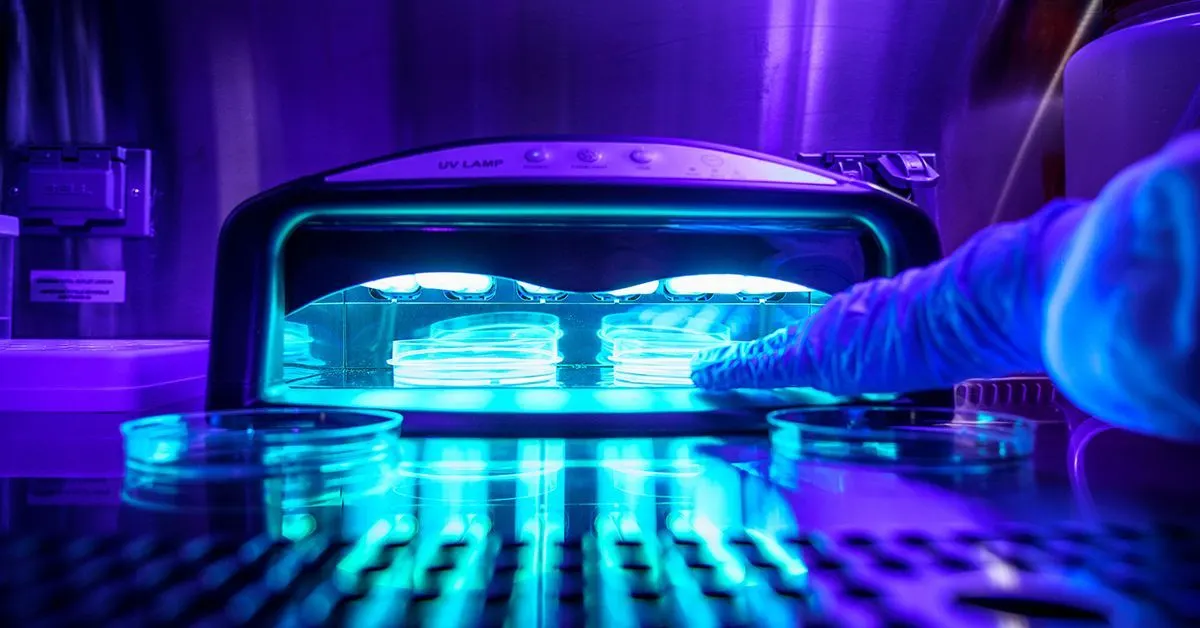
Researchers at the University of California San Diego reported that the ultraviolet lamps used to cure gel manicures caused cell death and cancer-associated mutations in cultured cells, according to today.ucsd.edu. The study was published on January 17 in Nature Communications. The corresponding author is Ludmil Alexandrov, professor of bioengineering and of cellular and molecular medicine, and the first author is postdoctoral scholar Maria Zhivagui. today.ucsd.edu
today.ucsd.edutoday.ucsd.eduOpen source ↗
The lamps generally emit UV light in the 340–395 nm range. Tanning beds use a different range, 280–400 nm, which studies have conclusively linked to cancer. The authors note that the spectrum used in nail dryers has not been well studied, and that, to their knowledge, the effects of these devices on human cells at the molecular level had not been examined before.
Experiment design
The team used three cell lines: adult human skin keratinocytes, human foreskin fibroblasts and mouse embryonic fibroblasts. Cells in Petri dishes were placed in a UV curing device under two conditions. In acute exposure, they received a 20-minute session, then an hour out of the device to recover, then a second 20-minute session. In chronic exposure, they were irradiated for 20 minutes a day for three days.
Results and limits
A single 20-minute session led to 20–30% cell death, and three consecutive 20-minute exposures killed 65–70% of the exposed cells. In the surviving cells the researchers found mitochondrial dysfunction, DNA damage and elevated levels of reactive oxygen species, which are known to cause DNA damage and mutations. Genomic profiling showed higher levels of somatic mutations, with patterns that, according to the authors, are ubiquitously present in melanoma patients. Some of the DNA damage was not repaired over time and led to mutations after each exposure. today.ucsd.edu
today.ucsd.edutoday.ucsd.eduOpen source ↗
The work was done in cell culture. The authors state that a long-term epidemiological study is required before concluding that the devices raise the risk of skin cancer, and that large-scale studies are needed to quantify the risk for the hand and its dependence on frequency of use. The idea for the study came partly from medical reports of rare finger cancers in people who get gel manicures very often.