Researchers find 11 shared T cell receptor families in data from 150,000 cancer patients, nine of them new
A pipeline applied to clinical genomics data from over 150,000 patients with advanced cancer found T cell receptors shared across patients. It points to routine clinical data as a source for immunotherapy discovery.
Researchers led by Emily Jackson have analysed data from more than 150,000 patients with advanced cancer and identified T cell receptors that are shared across multiple patients, according to a release published on EurekAlert on 4 November 2026. The work appeared in Science Translational Medicine the same day. The authors describe a pipeline for finding such "public" receptors. eurekalert.org
EurekAlerteurekalert.orgOpen source ↗
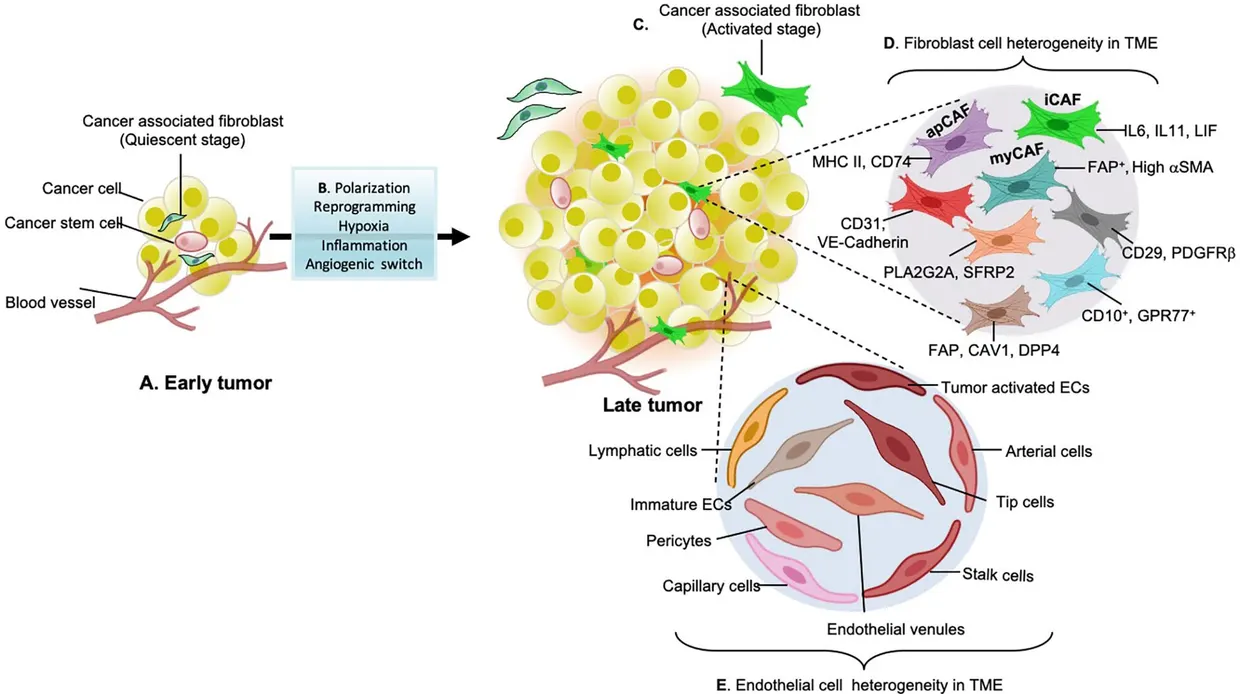
T cells carry receptors in their membranes that recognise tumour antigens, which makes the receptors a route to targeting tumour cells specifically. Scientists consider them a basis for new anticancer therapies. The difficulty, the authors note, is that T cell receptors are very diverse, and current discovery methods need labour-intensive workflows and tissue specimens that are hard to obtain.
A database built from clinical genomics
The team assembled a database of bulk RNA sequencing data, clinical records and T cell receptor chains from more than 150,000 patients with more than 30 types of advanced cancer. They then developed an analytical pipeline to search through 26 million unique T cell receptor chains.
Receptors tied to common antigens
The method found receptors associated with common cancer antigens, including mutated KRAS protein and human papillomavirus proteins. The authors also characterised 11 families of T cell receptors shared across multiple patient populations. Nine of these families were previously unknown. eurekalert.org
EurekAlerteurekalert.orgOpen source ↗
The study is computational and based on existing clinical data. The release does not report testing of these receptors as therapies.
Jackson and colleagues conclude that patient-derived immune repertoires captured during routine clinical testing are a valuable and largely untapped resource for cancer immunotherapy discovery. The article is titled "Cancer-specific T cell receptor discovery using 150,000 clinical genomics samples" (DOI 10.1126/scitranslmed.aeh8192).