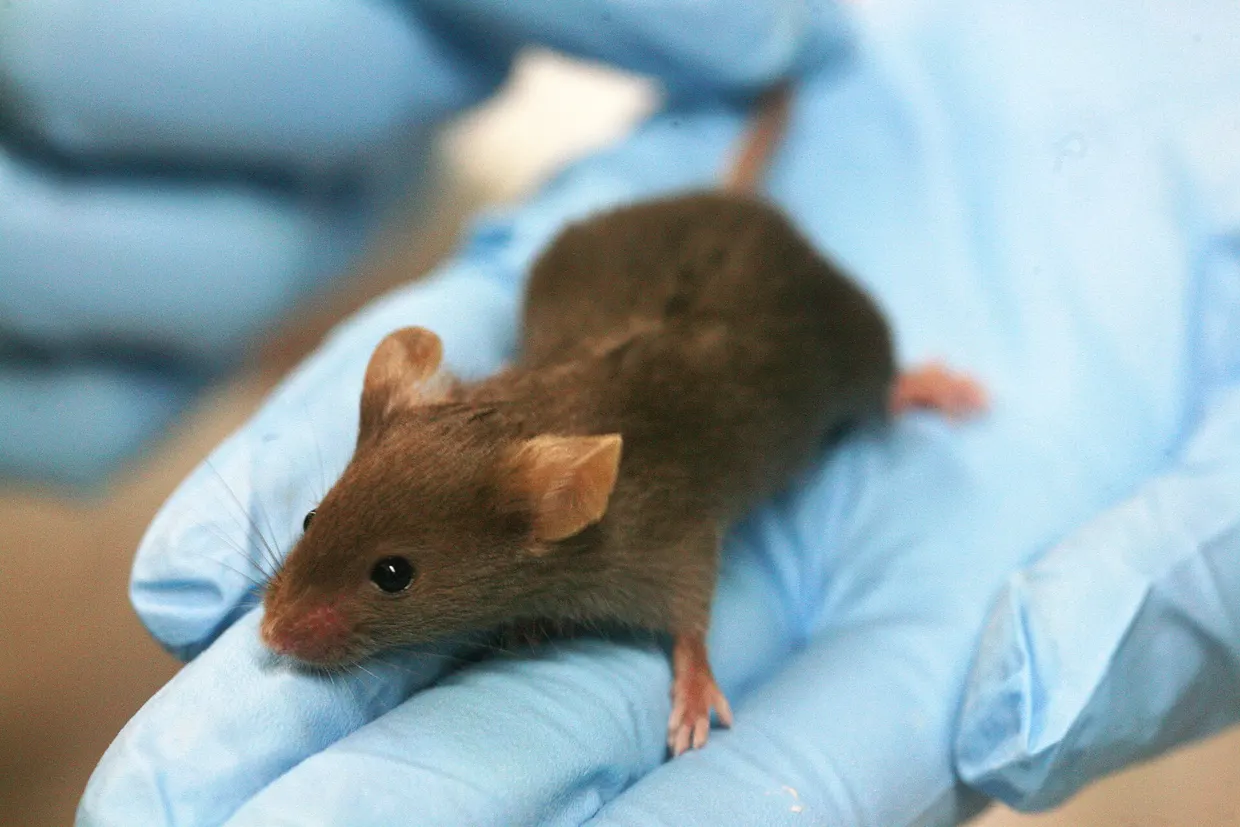
Princeton: male mice that only watched fights attacked faster in later combat
In a Princeton study on mice, males that merely watched fights later attacked an opponent faster, and inhibitory neurons in their brains loosened control over aggression centers.
A team at Princeton University led by first author Jorge Iravedra-García reports in Nature that male mice which only watched other mice fight were better prepared for a fight of their own later. spektrum.de describes the work, led by Annegret Falkner spektrum.de
spektrum.despektrum.deOpen source ↗. The authors link the effect to changes in brain activity.
The study builds on an observation in macaques, which pay more attention to videos of fighting conspecifics than to videos of peaceful scenes.
Experimental design
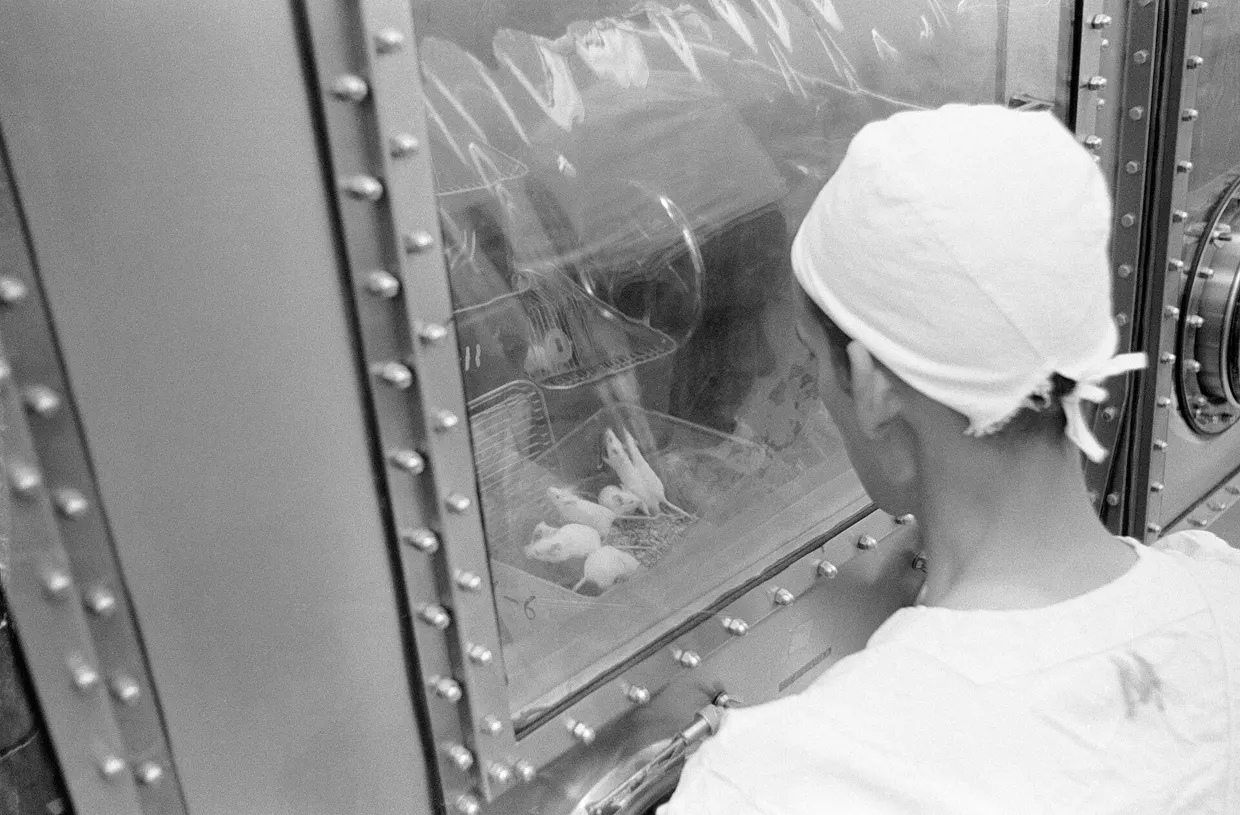
The researchers assigned male mice to one of three groups: fighters, observers or controls. For eight consecutive days, each group took part in three ten-minute behavioral sessions daily. Fighters sparred with a mouse that was easy to beat. Observers sat on a raised platform and watched a pair of mice fighting below. Controls played with a stuffed toy mouse.
On the ninth day, all animals faced an opponent that was hard to beat, and everything was recorded on video spektrum.de
spektrum.despektrum.deOpen source ↗. According to Falkner, the observing mice were not much interested when the fighting animals only walked around and interacted, but became attentive as soon as attacks began.
During the fight, both observers and fighters attacked the opponent faster and spent less time with their backs turned to it than mice with no prior experience. The authors interpret this as a "be ready" strategy, that is, proactive aggressive behavior.
Brain activity
To record neural signals in living mice, the team used optogenetic methods. They measured activity in a subcortical network associated with social behavior. Over the eight days, inhibitory neurons in both fighters and observers gradually loosened their hold on key aggression centers, as if a brake were being released.
When the researchers restored this inhibition, observers behaved like control mice during the fight spektrum.de
spektrum.despektrum.deOpen source ↗.
It remains unclear whether the results transfer to humans. According to the authors, the data may help clarify the neural mechanism by which experiences of violence can lead to long-lasting maladaptive behavior.