Dutch museum names Alsasuacaris dirkeysermansi: a 1.55 mm crustacean fossil from a Maastricht quarry
The only known specimen of a new species of Cyclida, an extinct crustacean group with a few dozen known species, was found in a quarry near Maastricht.
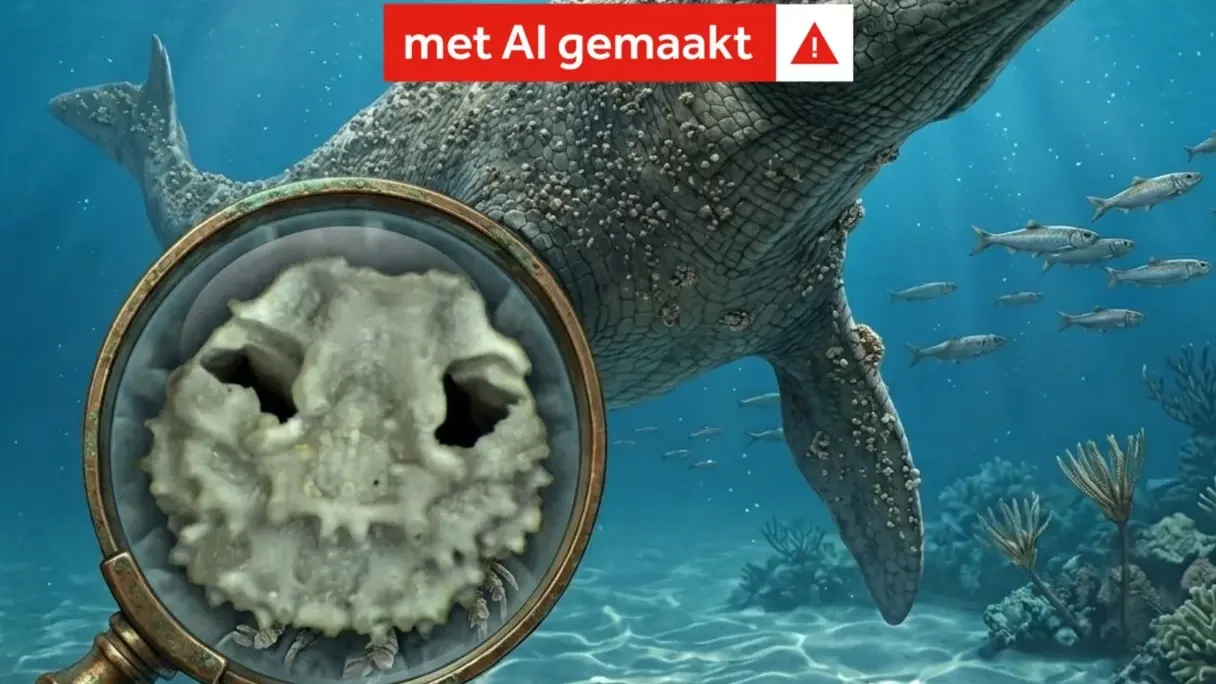
Researchers at the Nationaal Oertijdmuseum in Boxtel have described a 1.55 mm fossil of a Cyclida, an extinct group of crustaceans, found in the chalky ground of a quarry near Maastricht, NOS reports. nos.nl
NOSnos.nlOpen source ↗ The animal lived shortly before the dinosaurs died out, about 66 million years ago. The museum says the find is of international importance.
Find and identification
The fossil collector Dirk Eysermans from Belgium brought the specimen to the museum two years ago. At first it was unclear what the object was: a louse, a parasite or a crab-like animal were all considered. It was also unclear which side of the animal was the top and which the bottom.
Only a few dozen Cyclida species are known worldwide. This is the only known specimen of its species, which was named Alsasuacaris dirkeysermansi after the finder. According to curator Jonathan Wallaard, the fossil is now displayed in a museum case.
Open questions about Cyclida
It is still unknown which family the Cyclida belong to in evolutionary terms, how they lived and why they disappeared. nos.nl
NOSnos.nlOpen source ↗ Although they resemble small crabs, scientists think they had a different role in the ecosystem of the ancient seas. They lived at the same time as amphibians and marine reptiles, and when those reptiles vanished, the Cyclida disappeared too.
The researchers suggest the Cyclida may have lived as a kind of parasite on the reptiles. To test this they want to find more fossils. Other material from the Maastricht quarry is still in the museum's preparation lab and will also be examined. The researchers hope to find more such fossils, although the minuscule size makes this difficult.