Single-cell atlas of human cardiac differentiation prioritizes 610 congenital heart disease variants
In a model of human cardiac differentiation, a variant near ETS1 shifted cells toward vascular smooth muscle fate, the authors report. The atlas sorts regulatory elements into six chromatin states.
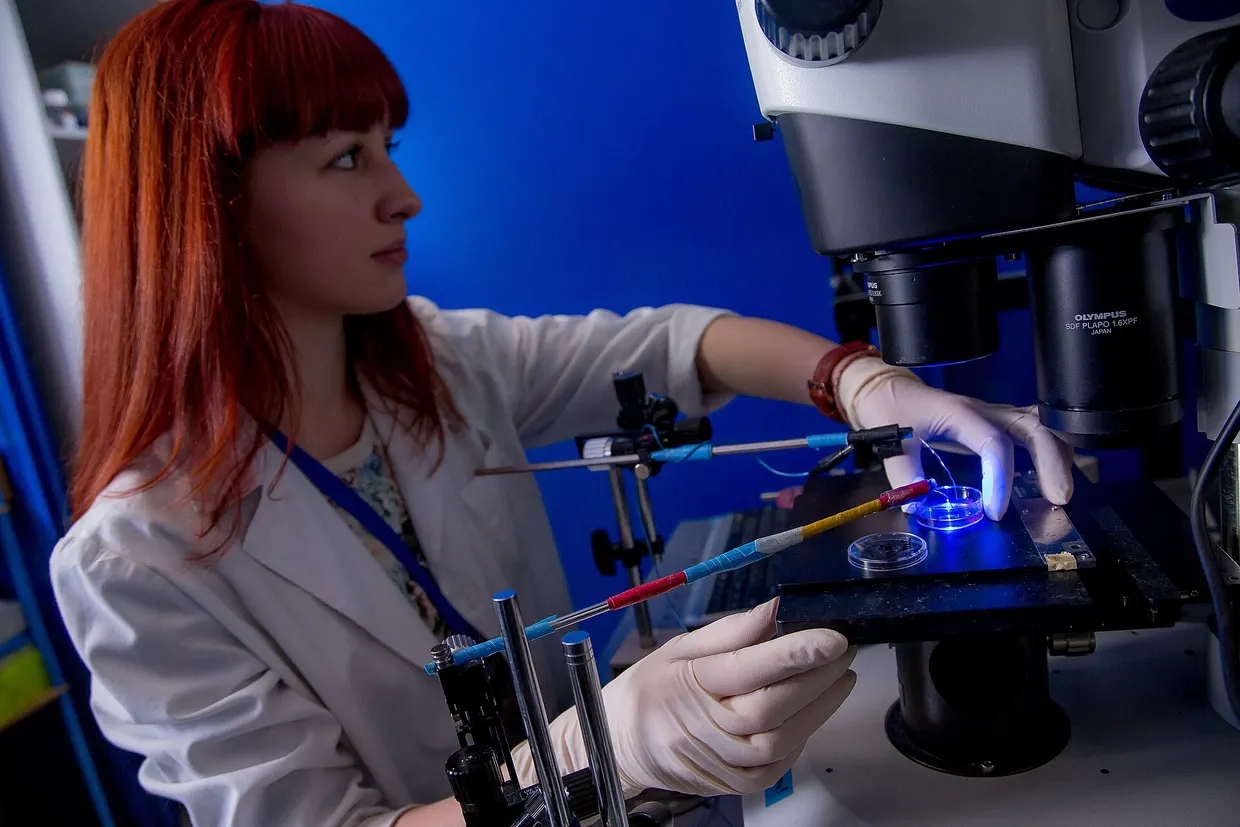
Researchers reported in Science Advances a single-cell multiomic atlas of human cardiac differentiation. It was built by jointly profiling H3K27ac, H3K27me3, H3K4me3 and transcriptomes in individual cells science.org
Science Advancesscience.orgOpen source ↗. The authors used it to classify cis-regulatory elements into six chromatin states.
This allowed them to prioritize 610 noncoding variants associated with congenital heart disease (CHD). The variants are enriched in lineage- and state-specific regulatory elements, including repressive and bivalent regions.
The team introduced selected variants by CRISPR knockin. According to the study, this perturbed the expression of nearby genes and impaired cardiac differentiation.
One Polycomb-marked variant near ETS1 (ETS proto-oncogene 1) was examined in detail. It caused local loss of H3K27me3, gain of H3K27ac and up-regulation of ETS1 science.org
Science Advancesscience.orgOpen source ↗. At early stages, differentiation was redirected toward second-heart-field progenitors with epithelial characteristics. Ultimately it produced highly migratory ETS1-positive vascular smooth muscle cells.
The authors describe the work as a single-cell chromatin-state framework for interpreting noncoding CHD risk variants. They also report an ETS1-driven program linking Polycomb-deregulated noncoding variation to aberrant vascular smooth muscle fate commitment during human cardiogenesis.