UMass Amherst researchers track stroke recovery via wrist sensors in 215 people
A digital scale derived from home accelerometer data tracked arm motor recovery with less measurement error than clinic tests.
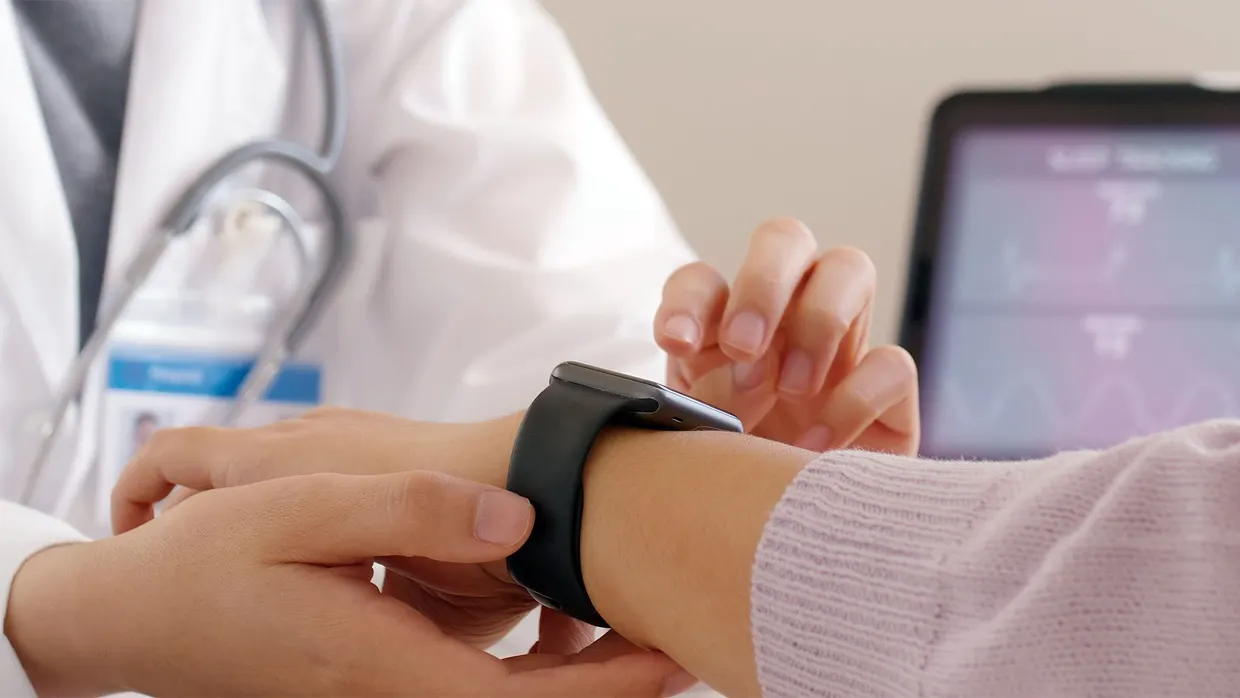
Researchers led by the University of Massachusetts Amherst developed a digital metric to assess upper-limb motor recovery after stroke using home accelerometer recordings. According to a study published in Science Translational Medicine, the team analyzed about 23,000 hours of wrist-sensor data collected from 215 participants science.org
Science Translational Medicinescience.orgOpen source ↗. The cohort included 75 healthy adults, 61 individuals followed through standard rehabilitation during the first six months after stroke, and 79 chronic stroke survivors monitored over an eight-week therapy period.
Existing standard clinical assessments require a specialist to score tasks over roughly 30 minutes, usually before and after a rehabilitation course. The researchers constructed the digital arm performance scale (DAPS) by decomposing continuous upper-limb accelerometer data from naturalistic environments into lower-level movement segments. Key features from straight-line movements of the stroke-affected wrist were extracted and aggregated using a linear mixed-effects model to yield a single continuous score.
Precision and ceiling effects
In the early-stage group followed over 24 weeks, the digital score agreed closely with standard clinical tests, while exhibiting 52 to 58 percent lower measurement error. The metric also differentiated stroke survivors who had reached the maximum possible score on clinical tests from healthy participants, demonstrating responsiveness in ranges where standard tools reach an artificial ceiling.
Potential impact on clinical trials
Power analysis indicated that using this digital biomarker could reduce the required sample size for clinical trials with upper-limb recovery end points by more than 60 percent compared with traditional clinical tests science.org
Science Translational Medicinescience.orgOpen source ↗. In a simulation of a robot-assisted therapy trial, an 80 percent probability of confirming treatment efficacy required eight patients per group using standard clinical tests, compared with three patients using the digital metric. In a second simulated trial, the required sample size decreased from 26 patients per group to seven. Further third-party validation on independent datasets and regulatory clearance remain necessary before clinical adoption.