Botanists identify Salvia messii in Peru at elevations above 2,000 meters
A newly described shrub features light blue and white petals and produces essential oils, but faces extinction risks in high-altitude habitats.
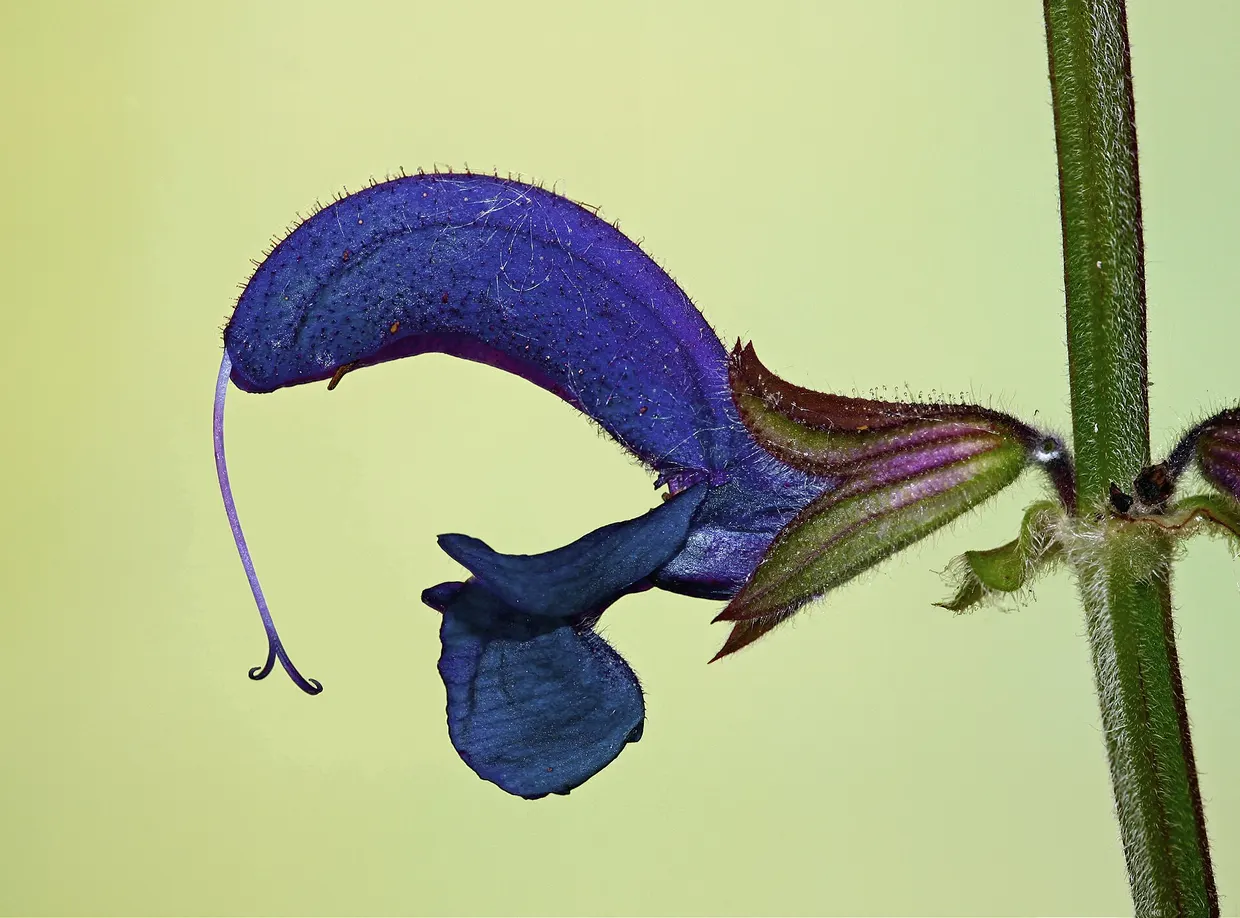
An international research team identified a new plant species in the Peruvian Andes, naming it Salvia messii in honor of footballer Lionel Messi, according to INVDES invdes.com.mx
INVDESinvdes.com.mxOpen source ↗. The botanical findings were published in the specialized scientific journal Phytotaxa. Field observations confirmed that the specimens grow wild in high-altitude mountain scrublands at elevations exceeding 2,000 meters above sea level.
Morphological characteristics and biochemistry
The plant is a robust shrub that reaches a height close to a meter and a half, classified within the Lamiaceae family and the genus Salvia. The specific name reflects the visual morphology of the flower, which displays a combination of light blue and white shades on its petals. In accordance with international rules of botanical nomenclature, scientists applied the Latin suffix -ii to commemorate the Argentine national team captain.
Beyond its visual traits, Salvia messii contains volatile organic compounds and specialized metabolites. Researchers documented the presence of essential oils across the stems and leaves, conferring distinctive aromatic properties. Chemical analyses also confirmed the presence of flavonoids, which are secondary plant metabolites noted for antioxidant and antiseptic characteristics.
Distribution and conservation status
The geographical range of the newly identified species is restricted exclusively to narrow microclimates within Peruvian mountain scrub ecosystems invdes.com.mx
INVDESinvdes.com.mxOpen source ↗. The plants inhabit isolated regions where environmental conditions sustain limited native populations.
Due to this narrow distribution and increasing anthropogenic and environmental pressures on the habitat, authors cataloged the species under an threatened extinction status. Botanists noted that immediate conservation measures are required to prevent habitat loss and safeguard existing populations from disappearing.