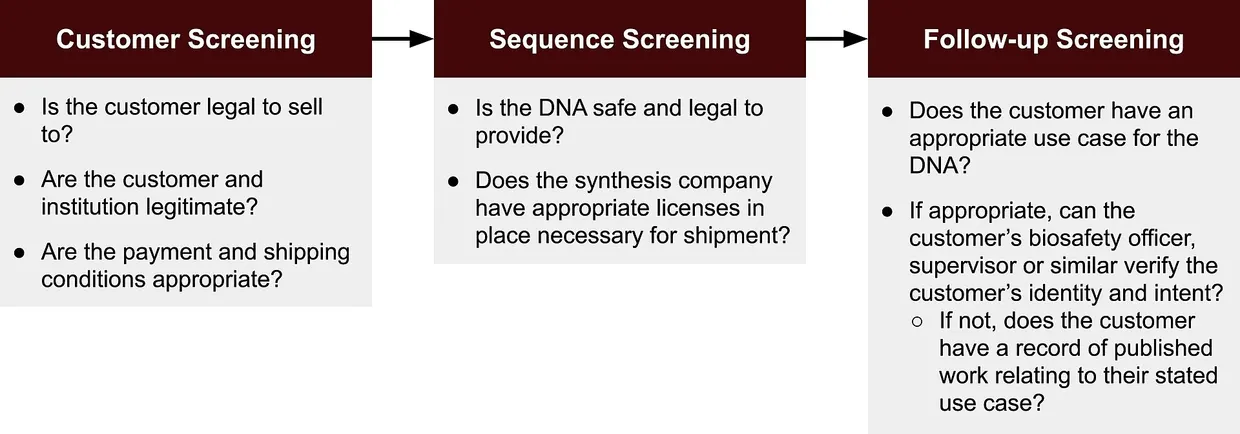
Researchers route single electrons through a Si/SiGe T-junction with 100% transfer fidelity
A 54-quantum-dot junction connects two conveyor lanes, demonstrating 2D electron pattern routing for spin qubits.
Physicists have demonstrated conveyor-mode routing of single electrons through a two-dimensional T-junction fabricated in a Si/SiGe heterostructure, according to a study published in Nature Communications nature.com
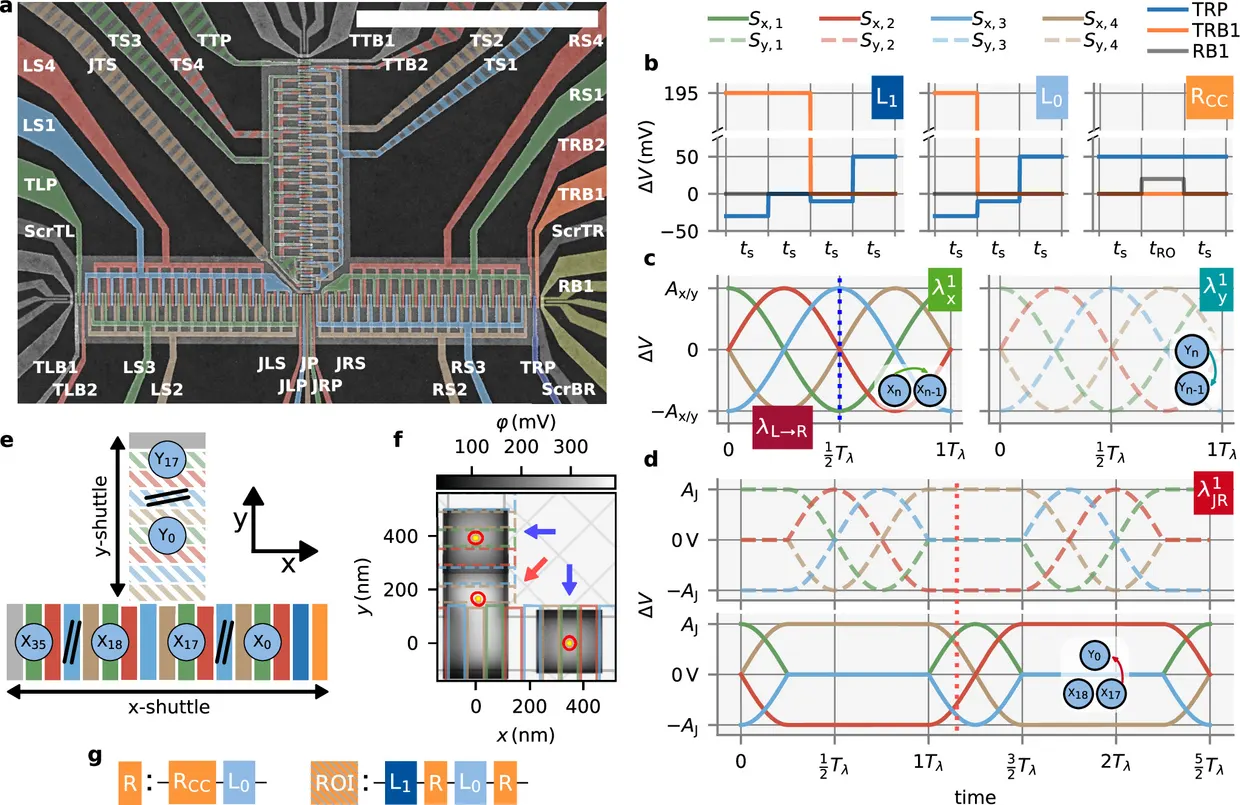
Nature Communicationsnature.comOpen source ↗. The architecture connects two orthogonal one-dimensional conveyor shuttle lanes across an active footprint of 10 μm × 5 μm. Operating at an instantaneous electron velocity of 270 mm s−1, the experimental prototype achieved an inter-lane charge transfer fidelity of 100.0000000% (+0%, −9 × 10⁻⁷%).
Junction architecture and electrostatic control
The T-junction device links two independent conveyor-belt lanes, designated as the x-shuttle and y-shuttle, joined at a 90° angle. The structure contains 54 quantum dots in total, with single-electron transistors placed at the exterior-facing ends of the lanes to perform charge readout. To overcome wiring bottlenecks without scaling up control lines, the electrostatic gates are grouped into coordinated sets driven by four channels per conveyor belt. Overall operation and routing across the entire 54-dot system are managed using eleven voltage channels that deliver eight basic atomic pulse sequences.
Charge transfer and electron pattern permutations
During routing, static gate bias was set to 330 mV for the active sets, while termination gates defining the lane ends were held at 0 V to create sharp potential boundaries. The atomic pulses govern charge loading, shuttling, and inter-lane transfers without introducing supplementary gate terminals at the junction point. Beyond transporting single electrons between orthogonal axes, researchers demonstrated the manipulation and permutation of filled quantum dots across the array. These verified pattern swaps establish the baseline operation required for native spin-qubit SWAP gates in two-dimensional spin quantum computing architectures.