University of Geneva shows claustrum sustains working memory in mice
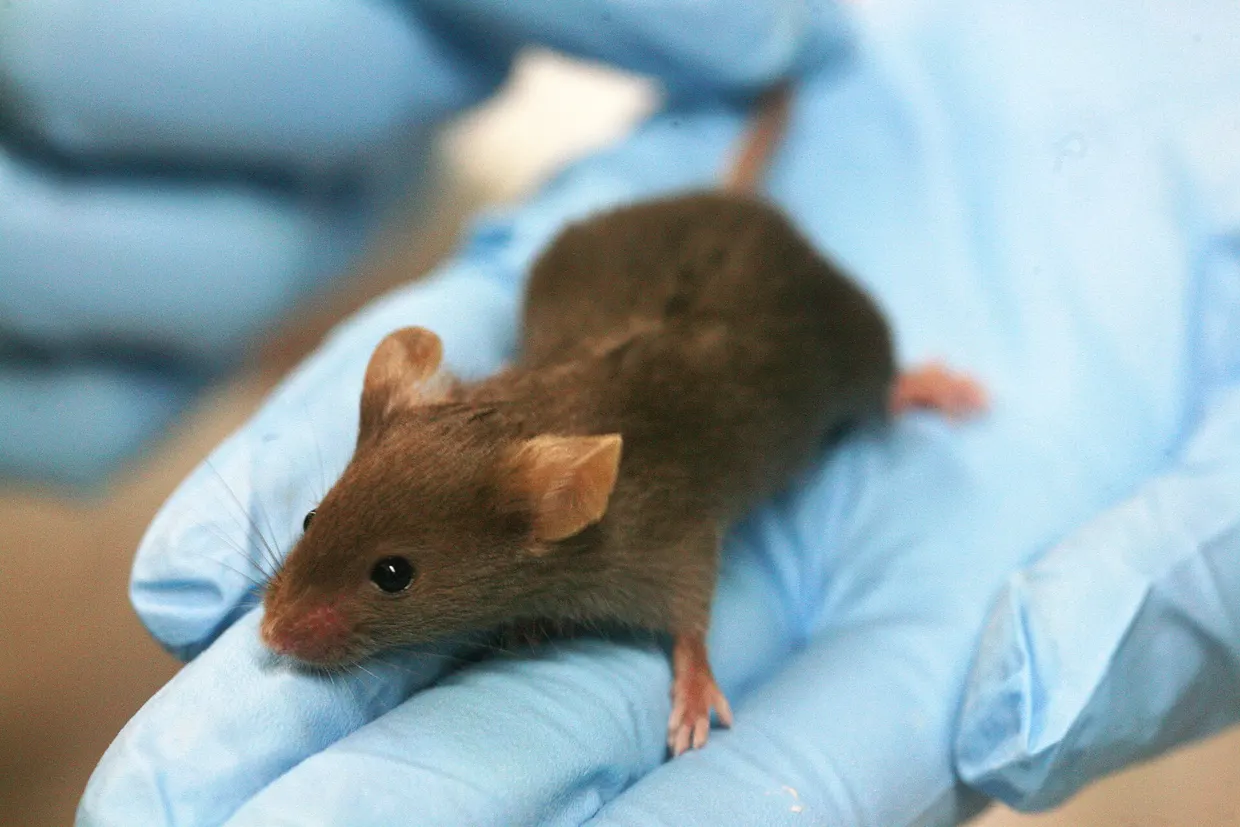
Researchers found that silencing claustrum neurons impairs sensory working memory in mice across delay periods without affecting basic perception.
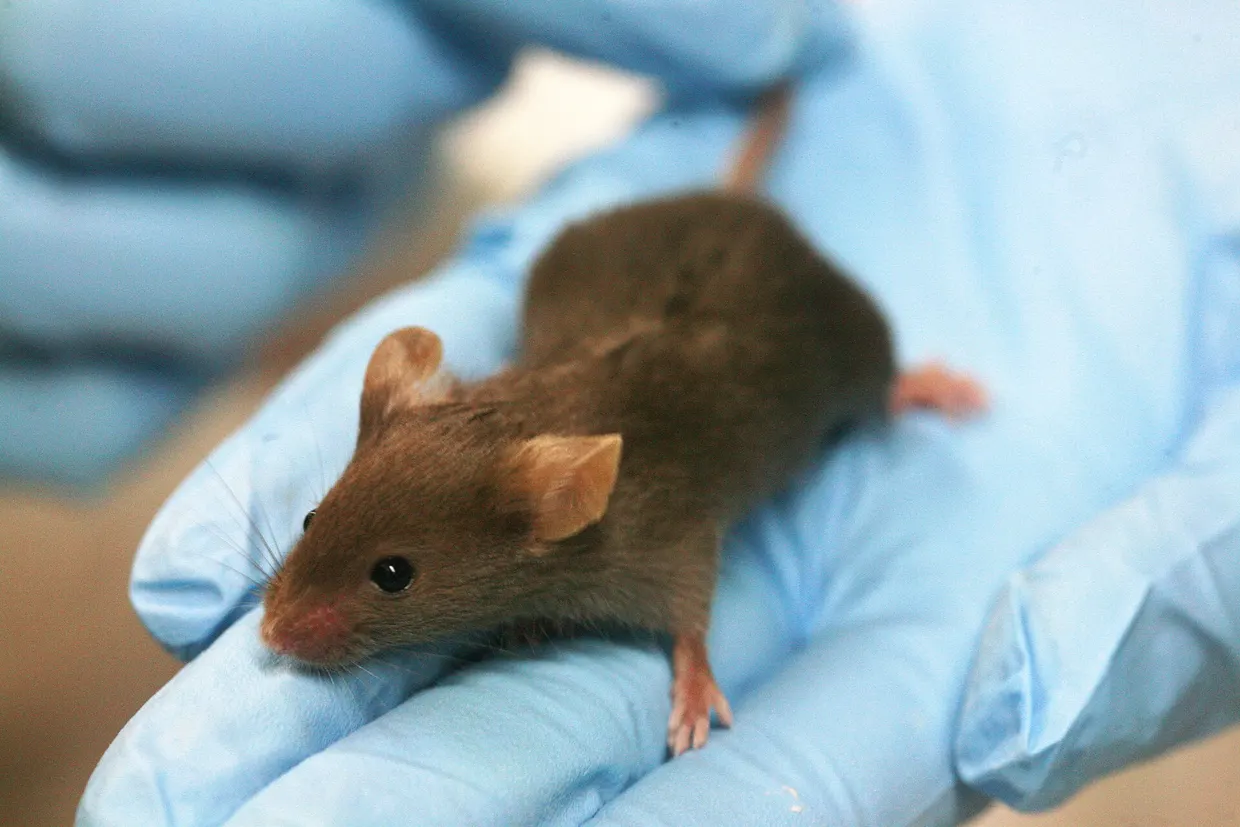
Neurobiologists at the University of Geneva identified a causal role for the claustrum in maintaining working memory representations in mice, according to a study published on nature.com nature.com
nature.comnature.comOpen source ↗. The researchers used microendoscopic calcium imaging, chemogenetics, and optogenetics during sensory-guided behavioral assays to monitor and perturb claustrum activity.
Neural activity during delay periods
The experiments required mice to retain olfactory or tactile sensory cues across delay periods lasting up to 30 seconds to perform target-comparison tasks. In vivo calcium imaging demonstrated that claustrum neurons exhibited cue-evoked activity that persisted throughout the delay interval. This population activity evolved dynamically over time while preserving decodable information about cue identity on individual trials. The claustrum is an extensively interconnected subcortical structure located between the insular cortex and the striatum, which positions it to interact with distributed cortical networks involved in memory maintenance.
Optogenetic and chemogenetic suppression
Temporarily suppressing the excitability of claustrum neurons degraded working memory performance across both olfactory and tactile modalities. According to the authors, targeted optogenetic disruption during encoding, delay maintenance, or comparison phases produced comparable performance decrements. The manipulations did not alter basic sensory processing, motor output, arousal levels, or inhibitory control. The authors concluded that the claustrum directly contributes to holding information over brief intervals to guide goal-directed behavior.