Researchers discover Ral GTPase pathway driving LDLR degradation in liver cells
The pathway degrades low-density lipoprotein receptors in response to dietary cholesterol, while its inhibition restored cholesterol clearance in preclinical tests.
Researchers have identified an intracellular signaling pathway regulated by Ral GTPases that controls the turnover of the low-density lipoprotein receptor (LDLR) in the liver, as reported by nature.com nature.com
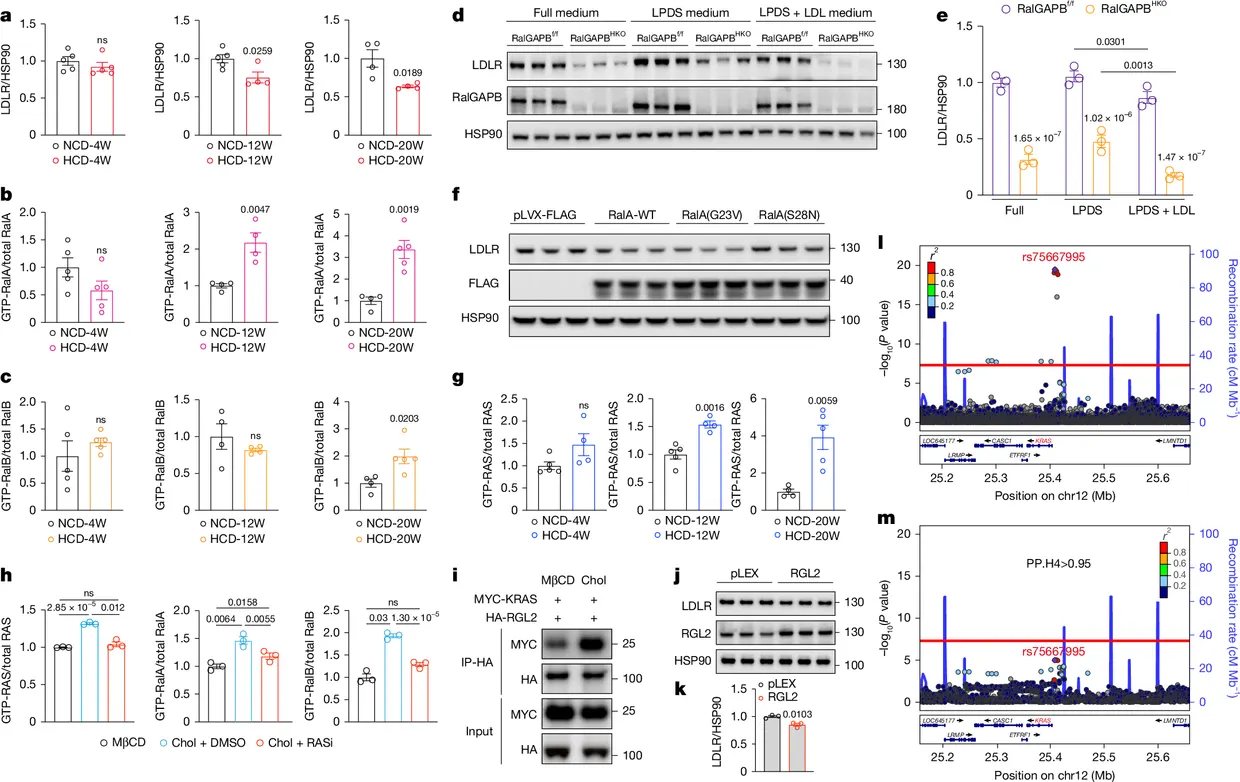
nature.comnature.comOpen source ↗. Chronic intake of dietary cholesterol triggers this mechanism by elevating RAS activity, which activates Ral proteins and drives the degradation of LDLR instead of allowing it to recycle back to the cell surface. This regulatory circuit operates independently of transcriptional control and the PCSK9 protein.
Molecular cascade and receptor routing
The activation of Ral proteins recruits the endocytic RalBP1–REPS1 complex, which directs LDLR from the cell membrane into lysosomes. Within these organelles, the receptor is degraded by the lysosomal protease cathepsin A (CTSA). Simultaneously, Ral activation diverts CTSA toward lysosomes for maturation and reduces its extracellular secretion, accelerating LDLR breakdown.
Experimental activation of this pathway in hepatocytes—achieved through the deletion of RalGAPB or the overexpression of constitutively active Ral mutants—lowered LDLR levels and disrupted cholesterol clearance. Furthermore, analysis of human genetic data revealed that variants in this pathway correlate with altered circulating cholesterol levels.
Pharmacological inhibition
To test whether the receptor destruction could be halted, researchers targeted CTSA activity in preclinical models nature.com
nature.comnature.comOpen source ↗. Pharmacological inhibition of CTSA restored hepatic LDLR function and enhanced blood cholesterol clearance. The authors suggest that targeting components of this pathway represents a candidate therapeutic strategy for hypercholesterolaemia and associated cardiovascular disease.