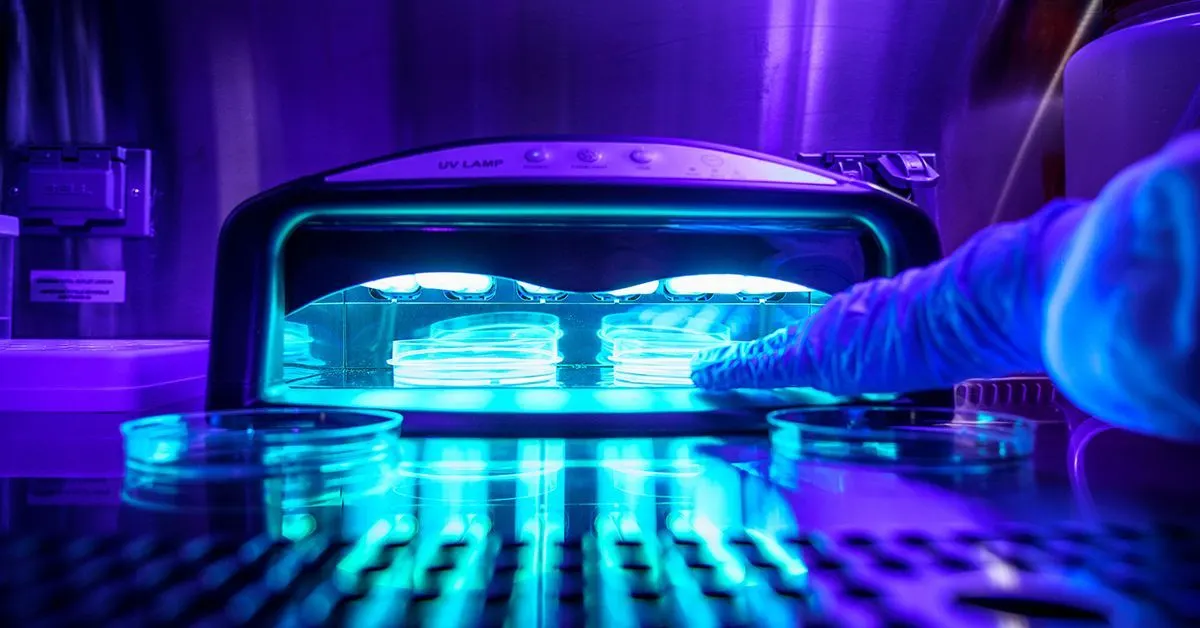
Cinaciguat Restores Liver Clearance and Halves Amyloid-Beta 40 in Aging Rats
A two-week treatment restored liver cell fenestration and paracrine signaling in aging rats, cutting circulating amyloid-beta 40 levels by half.
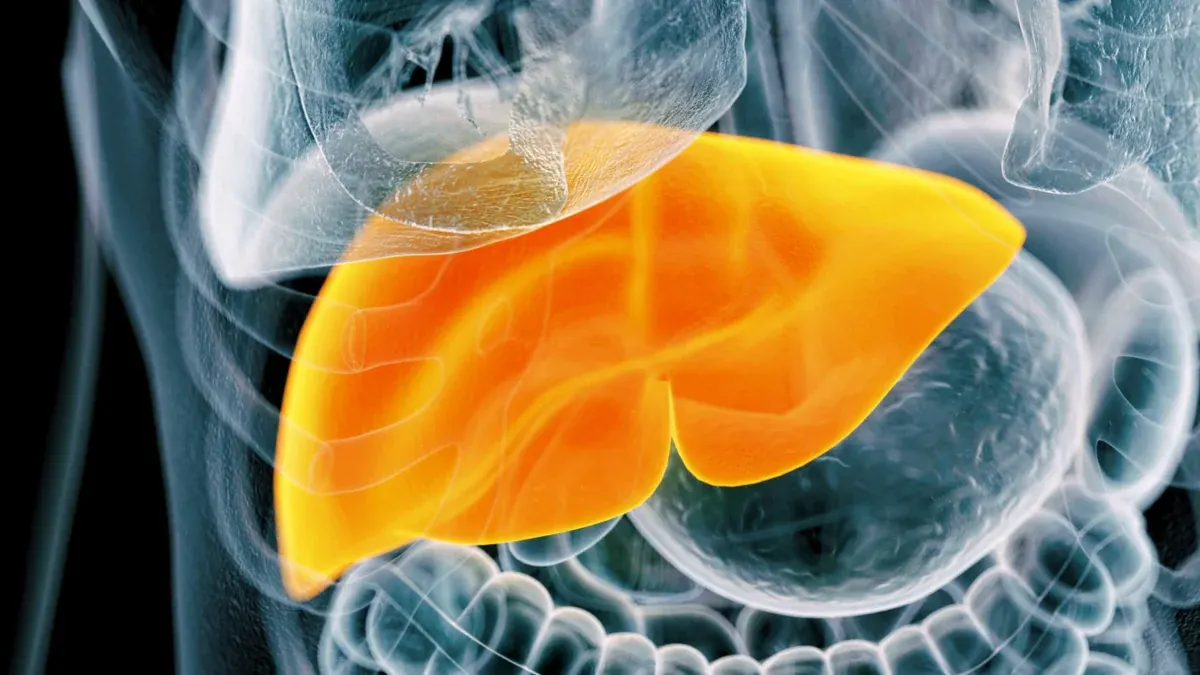
Researchers at the University of Southern California have restored liver clearance functions and reduced circulating levels of amyloid-beta 40 by half in two-year-old rats using the experimental compound cinaciguat, according to a study published in the Journal of Biological Chemistry sciencedirect.com
Journal of Biological Chemistrysciencedirect.comOpen source ↗. The two-week regimen returned the concentration of this protein fragment, which is linked to Alzheimer's disease, to levels typically observed in four-month-old animals.
In a healthy liver, blood-borne macromolecules move into the space of Disse through fenestrations in liver sinusoidal endothelial cells (LSECs). During aging, these pores close in a process known as pseudocapillarization, blocking large triglyceride-rich lipoproteins that carry most circulating amyloid-beta. Daily administration of cinaciguat, an activator of soluble guanylate cyclase, reversed this degradation and reopened the endothelial fenestrations. Unexpectedly, the treatment also lowered levels of low-density lipoprotein (LDL), a smaller particle that usually crosses the endothelial barrier regardless of fenestration loss.
Endothelial signaling mechanisms
To understand the reduction in LDL, investigators evaluated intercellular communication between LSECs and hepatocytes. Primary hepatocytes cultured alone showed minimal clearance of amyloid-beta 40 or LDL, but medium conditioned by young rat LSECs preserved their uptake capacity. In contrast, medium from untreated aged LSECs failed to stimulate clearance unless the donor animals had received cinaciguat.
Growth factor secretion
The team identified heparin-binding epidermal growth factor-like growth factor (HB-EGF) as the primary paracrine mediator of this interaction sciencedirect.com
Journal of Biological Chemistrysciencedirect.comOpen source ↗. While aged LSECs continued to synthesize HB-EGF precursors, they failed to secrete the active soluble protein. Cinaciguat treatment restored HB-EGF secretion, which in turn reinstated surface expression of the low-density lipoprotein receptor (LDLR) and low-density lipoprotein receptor-related protein-1 (LRP1) on hepatocytes. The researchers noted that further studies are required to determine whether enhanced hepatic clearance influences amyloid accumulation in the brain.