Winged cargo drone passes flight tests with a 100-kilogram payload
The aircraft takes off vertically and cruises like an aeroplane. The developers are preparing it for certification to deliver cargo to hard-to-reach villages.
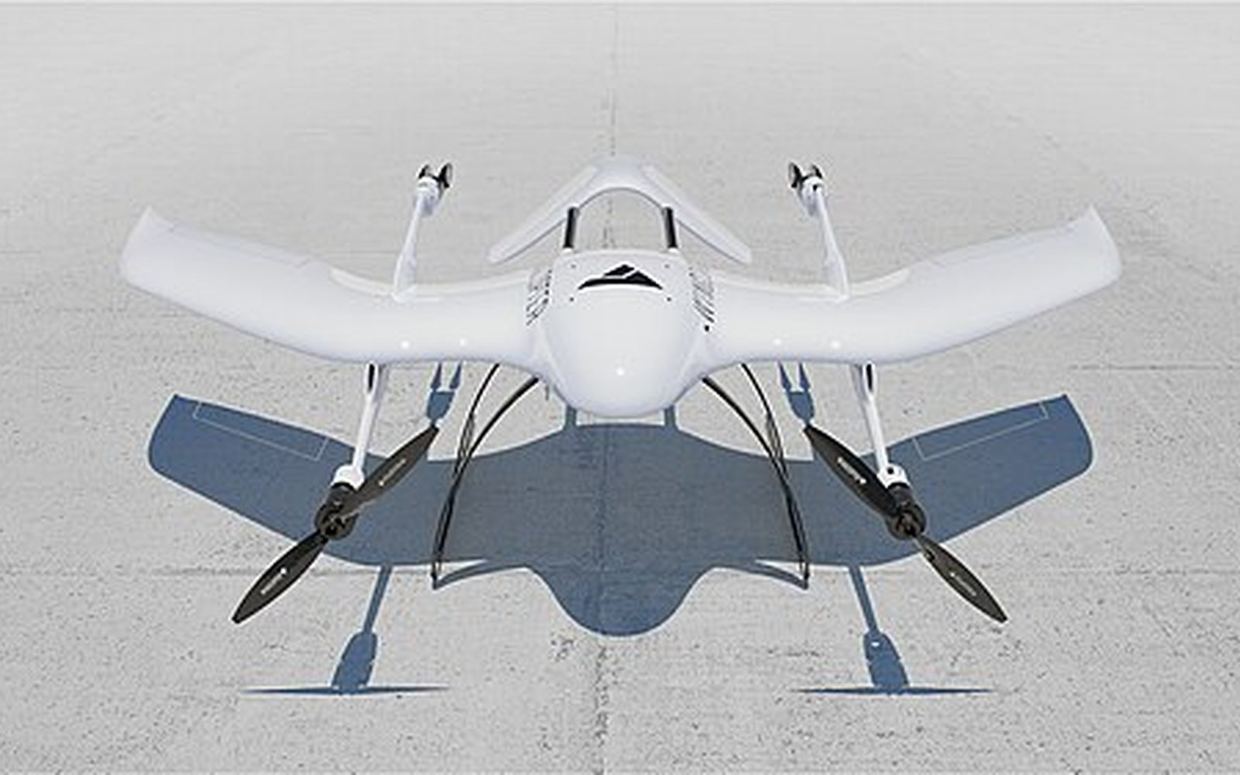
A maker of cargo drones has shown a vertical take-off aircraft designed to carry parcels and spare parts between warehouses within a radius of several hundred kilometres. According to the company, the fully loaded tests took place at a closed test site in the presence of the customer's representatives.
The main difference from multicopters of the same class is the wing: in cruise flight the lift comes from the wing rather than the rotors, so the energy spent per kilometre is noticeably lower.
Why a wing when multicopters exist
A multicopter hangs on its rotors for the whole flight, while an aeroplane layout spends the battery mainly on take-off and landing. A wing is steadier in a crosswind, and on the route a single propeller does the work, so the aircraft passes over a village more quietly than a courier van.
There are limits too: the transition between the two modes remains the hardest part of the flight, and flights beyond the line of sight still need a permit from the regulator.
Sources · 2
Found a mistake?- Пресс-релиз производителя (демонстрационный)realtech-media.netlify.app
The aircraft takes off vertically and cruises like an aeroplane. The developers are preparing it for certification to deliver cargo to hard-to-reach villages.