Metabolic Surgery Led to 58% Diabetes Remission in ARMMS-T2D Long-Term Trial
A multicenter trial with up to 14 years of follow-up showed bariatric surgery yielded a 58% remission rate in type 2 diabetes versus 3% for lifestyle management.
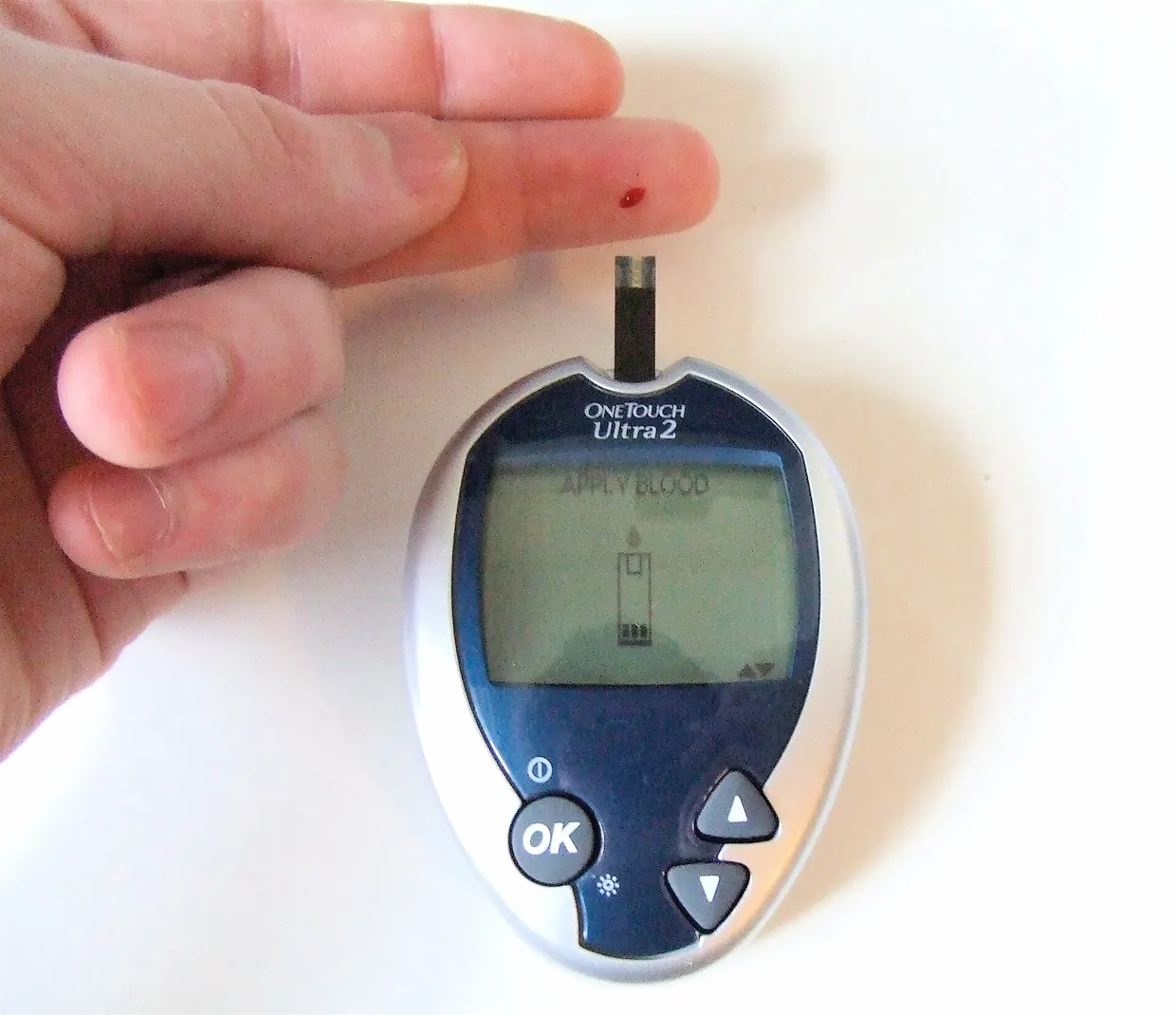
In a multicenter study tracking 262 patients with type 2 diabetes across up to 14 years, researchers evaluated the durability of metabolic-bariatric surgery compared to intensive medical and lifestyle therapy. The results, published in Diabetes Care, indicate that 58% of patients randomized to surgical interventions reached diabetes remission, defined as an HbA1c below 6.5% without glucose-lowering drugs, compared to 3% in the medical-lifestyle cohort doi.org
Diabetes Caredoi.orgOpen source ↗.
Participants had a mean age of 49.9 years, baseline BMI of 36.4 kg/m², and baseline HbA1c of 8.5%, with 68% being women. Over a median follow-up period of 11 years, the Alliance of Randomized Trials of Medicine vs. Metabolic Surgery in Type 2 Diabetes (ARMMS-T2D) consortium monitored 166 surgical patients and 96 medical-lifestyle patients to evaluate factors governing remission and recurrence.
Predictors of Treatment Remission
Univariate time-to-event analyses showed that remission correlated with shorter baseline diabetes duration, absence of insulin use, fewer classes of glucose-lowering drugs, greater baseline body weight, higher fasting C-peptide and insulin concentrations, and greater weight reduction at one year. Multivariate regression established baseline diabetes duration, prior insulin therapy, and magnitude of weight change at one year as independent predictive factors.
Factors Governing Disease Relapse
Among surgical patients who initially achieved remission, recurrence of the condition occurred over extended follow-up. Analysts determined that longer baseline disease duration and a higher quantity of pre-treatment glucose-lowering medication classes were the primary predictors of diabetes relapse following surgery doi.org
Diabetes Caredoi.orgOpen source ↗.