Honey bee hives in Australia show spatially organized chemical defences against microbes
A study of 24 colonies in New South Wales found that antimicrobial activity of hive materials declines from outer to inner compartments and acts mostly on bacteria.
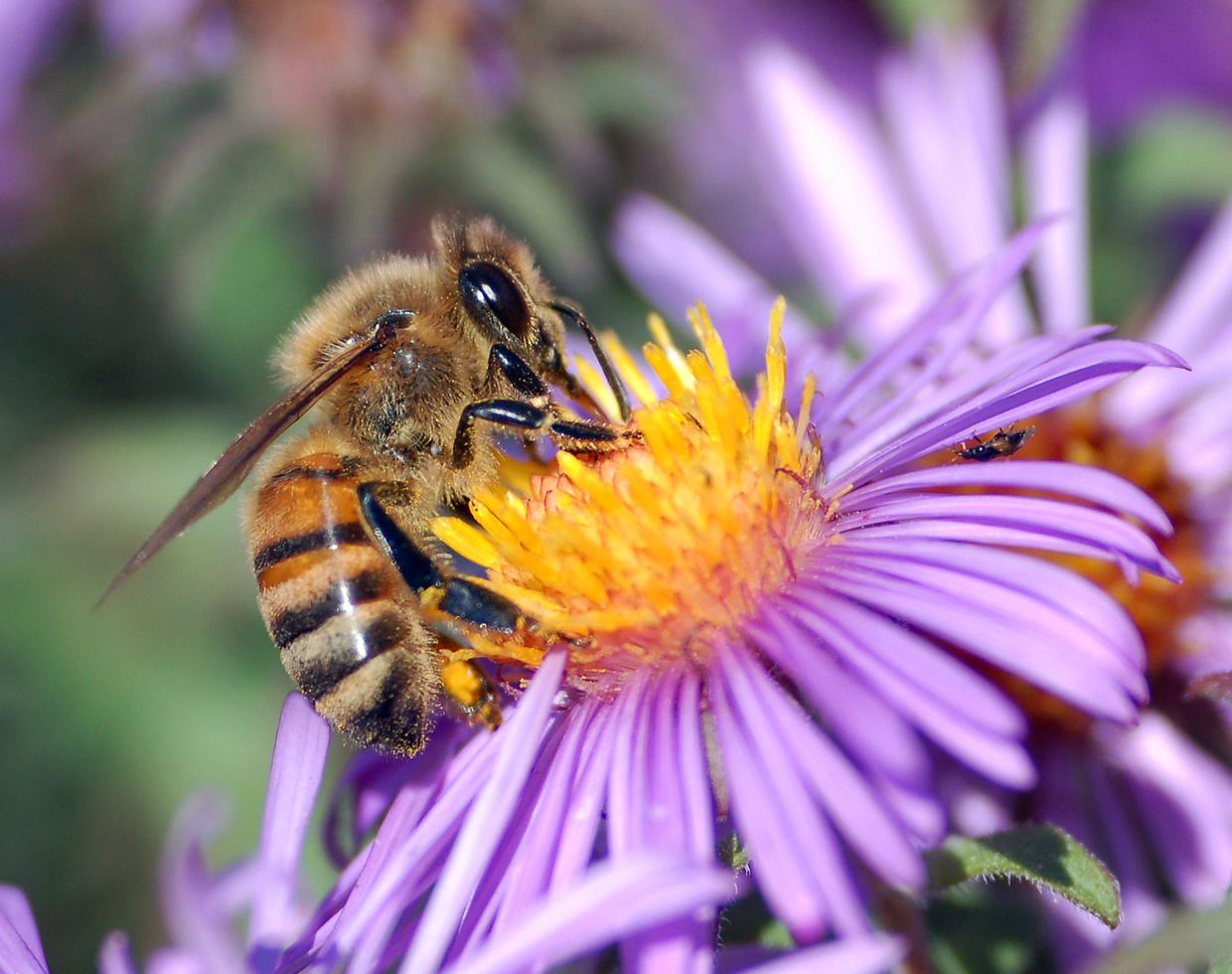
Researchers led by Kenya Fernandes studied how chemical defences protect colonies of the European honey bee (Apis mellifera). In a paper in ISME Communications, the team examined 24 colonies across five apiaries at Tocal College in New South Wales, Australia. They analysed the chemical composition and antimicrobial properties of honey, pollen, beeswax and propolis, and profiled microbial communities across hive components doi.org
ISME Communicationsdoi.orgOpen source ↗.
The authors report that antimicrobial activity shows a clear distance decay across hive compartments, closely paralleling shifts in microbial communities doi.org
ISME Communicationsdoi.orgOpen source ↗. The pattern was most pronounced for bacterial communities and for hive-associated pathogenic taxa. According to the authors, this indicates selective suppression of harmful microbes while neutral or beneficial species are permitted
doi.org
ISME Communicationsdoi.orgOpen source ↗.
Chemical mediators in hive materials
Chemical analysis identified hydrogen peroxide in honey, flavonoids in propolis and wax, and polar aliphatic compounds in pollen as drivers of this structured immunity doi.org
ISME Communicationsdoi.orgOpen source ↗. The strongest antimicrobial defences were found in the parts of the hive most exposed to the outside environment. Honey showed particularly strong activity, and propolis, which bees use to seal cracks and openings, provided additional protection.
Deeper inside the hive, where eggs and larvae develop, the defences became more selective. Wax comb, stored pollen and substances produced by the bees helped suppress harmful bacteria and fungi while supporting beneficial microbial communities, Fernandes said. The system was generally more effective against bacteria than against fungi. The researchers suggest this may reflect the greater threat of certain bacterial infections, such as American foulbrood, a contagious disease that kills honey bee larvae.
Landscape and colony factors
Variation in antimicrobial activity and chemical composition correlated with apiary location, hive health and pest exposure doi.org
ISME Communicationsdoi.orgOpen source ↗. Many microorganisms in hive materials likely originated from floral nectar. Colonies closer to native bushland differed measurably in chemical defences from those near agricultural land, which suggests that the plants available to foragers influence the protective properties of the materials they bring to the hive.
Co-author Elizabeth Frost of the NSW Department of Primary Industries and Regional Development said that land clearing and intensive farming could be eroding these natural defences. The study covered only European honey bees. Fernandes said she hopes to test whether Australian native stingless bees, ants and termites have comparable nest-based systems.