SNTC T cell–STING agonist chimera gives over 40% survival beyond 60 days in mice with melanoma
Researchers anchored a TAM-targeted STING nanoagonist to adoptive T cells so that the agonist is activated only where both are present. The results were obtained in mice.
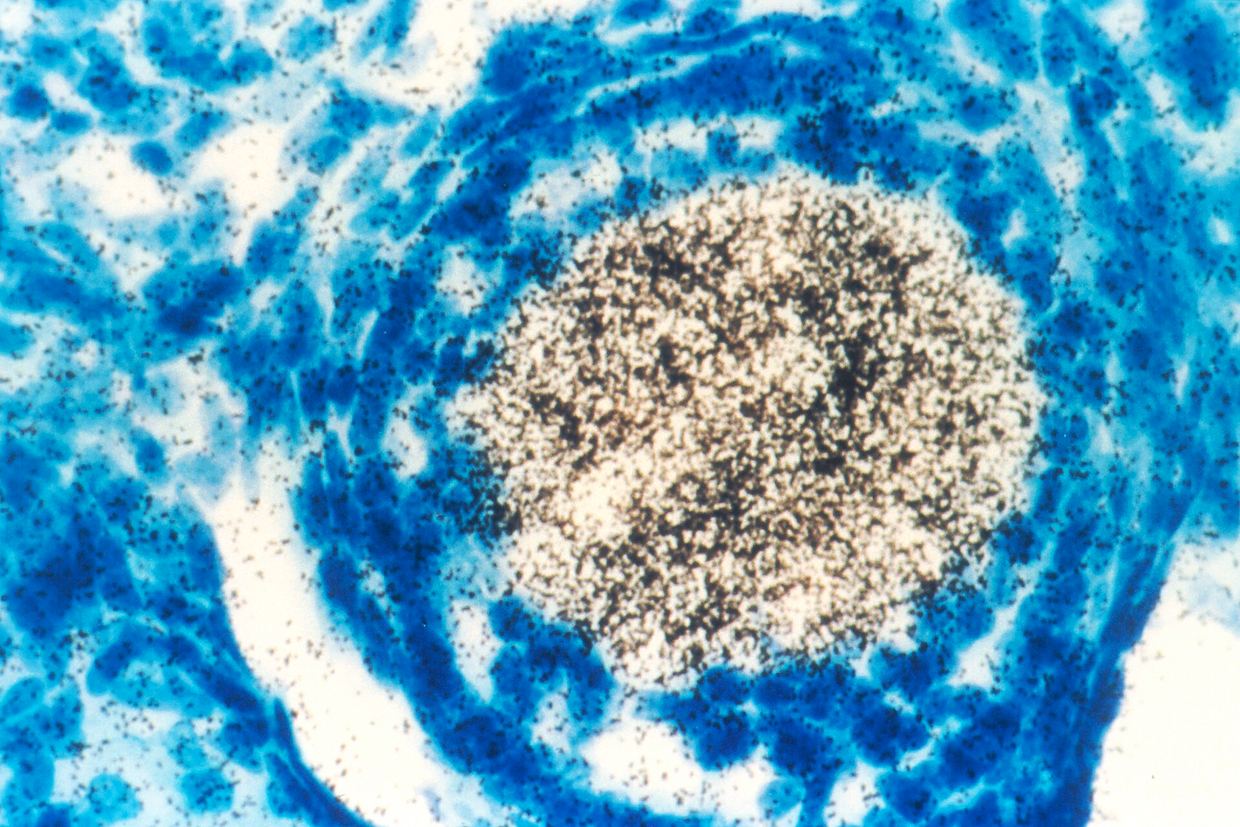
Researchers reported a T cell–agonist chimera, SNTC, designed to improve adoptive T cell therapy against solid tumors, in Proceedings of the National Academy of Sciences. The efficacy of such therapy is limited by the immunosuppressive tumor microenvironment. The authors showed that activating stimulator of interferon genes (STING) in tumor-associated macrophages (TAM) increases intratumoral infiltration and cytotoxicity of adoptive T cells doi.org
Proceedings of the National Academy of Sciencesdoi.orgOpen source ↗.
To synchronize biodistribution, the team designed a TAM-targeted nanoagonist and covalently anchored it to the T cell surface doi.org
Proceedings of the National Academy of Sciencesdoi.orgOpen source ↗. The elevated reduction potential on the T cell surface releases the nanoagonist locally in tumor tissue. Intracellular glutathione in TAM then restores the STING agonist, which produces AND logic-gated STING activation
doi.org
Proceedings of the National Academy of Sciencesdoi.orgOpen source ↗.
According to the authors, SNTC reshapes the tumor stroma and the immunosuppressive microenvironment, which augments adoptive T cell function. It also enhances antigen presentation by TAM, which activates endogenous T cells. In mice bearing melanoma, SNTC produced over 40% survival beyond 60 d doi.org
Proceedings of the National Academy of Sciencesdoi.orgOpen source ↗.
A version based on tumor-infiltrating T lymphocytes (TIL), combined with immune checkpoint blockade, led to sustained tumor regression in a mouse model of orthotopic pancreatic tumor doi.org
Proceedings of the National Academy of Sciencesdoi.orgOpen source ↗. All reported results come from mouse models. The authors state that SNTC holds translational potential for adoptive T cell therapy of cancer.