EMC3 deletion in mouse liver and fat impairs triglyceride storage; FITM2 identified as EMC client
Portuguese and UK groups deleted the EMC3 subunit in mouse and Drosophila tissues. Lipid droplet homeostasis was disrupted and levels of the protein FITM2 fell.
A team from the Gulbenkian Institute for Molecular Medicine and ITQB NOVA (Oeiras, Portugal), the University of Oxford and Queen's University Belfast reported in Nature Communications, published on 3 November 2026, that the ER membrane complex (EMC) is needed for normal triglyceride storage in mice and in Drosophila. doi.org
Nature Communicationsdoi.orgOpen source ↗ The EMC inserts integral membrane proteins into the lipid bilayer of the endoplasmic reticulum (ER).
doi.org
Nature Communicationsdoi.orgOpen source ↗ Its structure has been studied in detail in recent years, but which proteins depend on it and what it does across evolution remained less well understood, the authors write.
doi.org
Nature Communicationsdoi.orgOpen source ↗
Tissue-specific EMC3 deletion in mice
The researchers deleted the essential EMC3 subunit in the liver and in adipose tissues of mice. They then examined the animals in a range of metabolic and lipid homeostasis models. doi.org
Nature Communicationsdoi.orgOpen source ↗
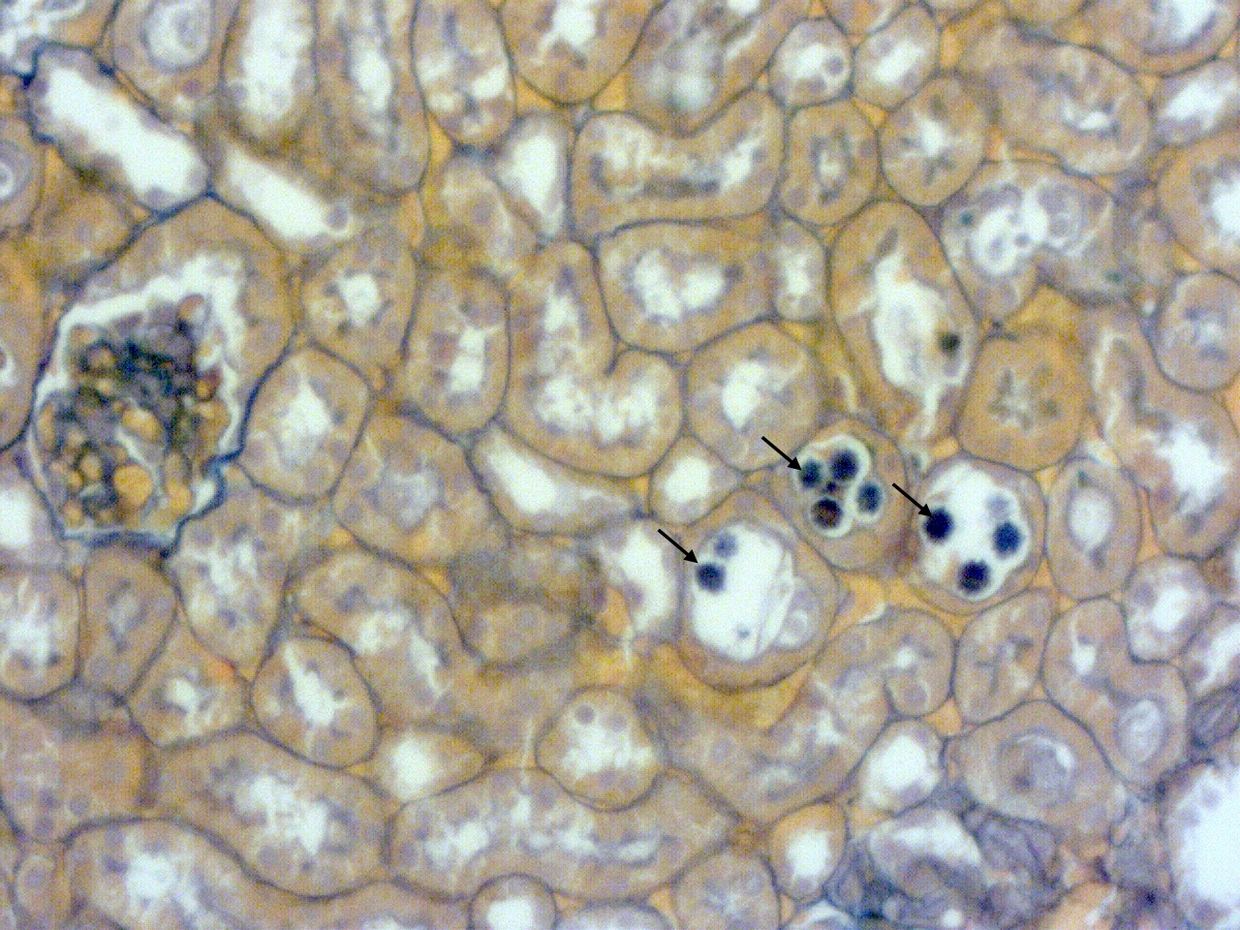
Loss of EMC3 in either the liver or adipose tissue led to defective storage of triglycerides and disturbed lipid droplet (LD) homeostasis. doi.org
Nature Communicationsdoi.orgOpen source ↗ Adipose tissue lacking EMC was less able to mediate fat storage in mice on a high-fat diet. It was also unable to support non-shivering thermogenesis.
doi.org
Nature Communicationsdoi.orgOpen source ↗
FITM2 as an EMC client
Proteomic analysis of EMC3-deficient tissues showed reduced levels of FITM2, a key regulator of LD biogenesis and ER homeostasis. On this basis the authors identify FITM2 as an EMC client. doi.org
Nature Communicationsdoi.orgOpen source ↗
The team then deleted EMC3 in the fat body of Drosophila, which produced similar defects in LD homeostasis. These defects were rescued by a FITM2 mutant whose biogenesis does not depend on the EMC. doi.org
Nature Communicationsdoi.orgOpen source ↗
The authors conclude that the EMC plays a key, evolutionarily conserved role in the biogenesis of the machinery that maintains triglyceride storage in metazoans. doi.org
Nature Communicationsdoi.orgOpen source ↗ The data come from mouse and fly models. The corresponding authors are John C. Christianson, Pedro M. Domingos and Colin Adrain.
doi.org
Nature Communicationsdoi.orgOpen source ↗