In APP/PS1 mice, alcohol increases hepatocyte vesicle release and miR-122-5p is detected in the brain
Repeated binge alcohol in APP/PS1 mice, a model of Alzheimer's disease, caused liver injury and raised inflammatory markers in liver and brain. The authors link this to vesicles from hepatocytes.
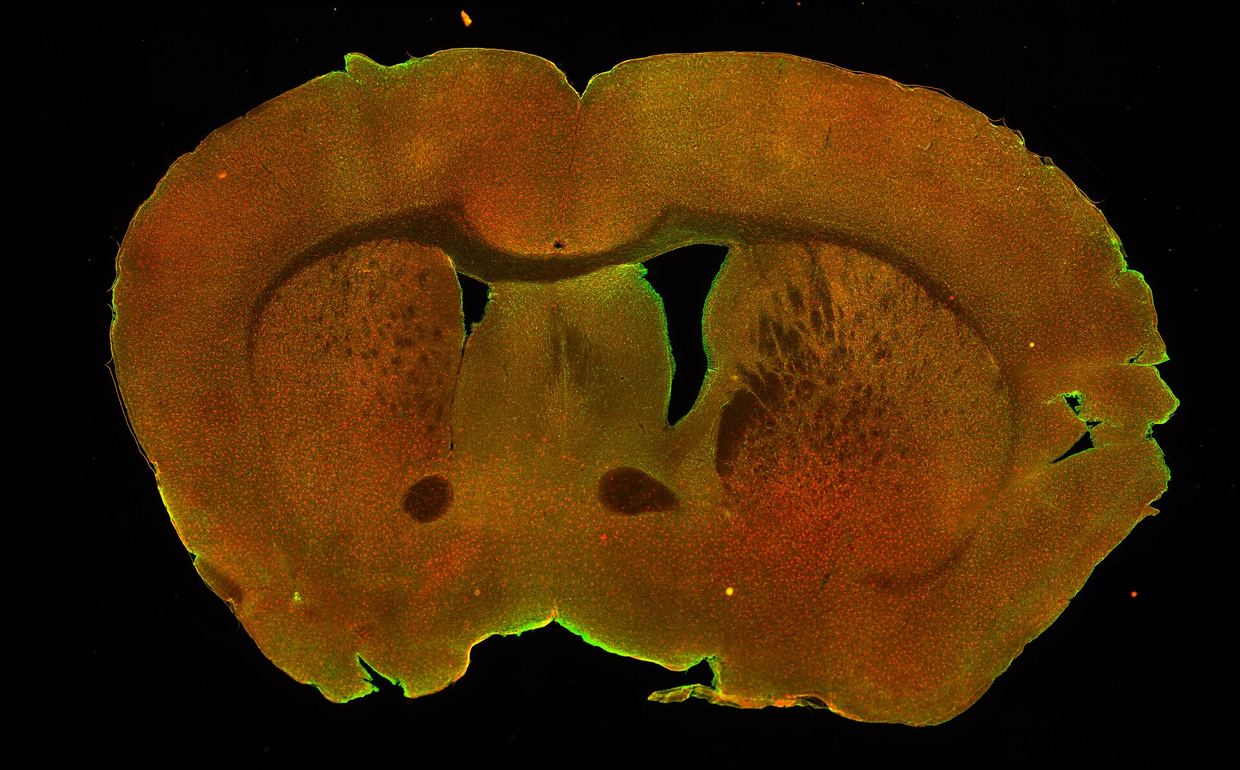
A study published in Proceedings of the National Academy of Sciences examined how repeated binge drinking affects the liver and brain in APP/PS1 mice, a model of Alzheimer's disease (AD). Alcohol-exposed APP/PS1 mice had elevated serum alanine aminotransferase, indicating liver injury that was absent in controls. Expression of pro-inflammatory cytokines was also higher in both liver and brain doi.org
Proceedings of the National Academy of Sciencesdoi.orgOpen source ↗.
The work builds on known links between the conditions. Neuroinflammation and microglial activation are common in AD and in excessive alcohol consumption, and altered serum aminotransferases have been reported in patients with AD.
Hepatocyte vesicles and miR-122-5p
Alcohol increased the biogenesis and release of small extracellular vesicles (sEVs) in AD mice and in mouse hepatocytes doi.org
Proceedings of the National Academy of Sciencesdoi.orgOpen source ↗. These sEVs were enriched in mature miR-122-5p, which is predominant in hepatocytes. The same microRNA was detected in the brain of alcohol-exposed AD mice, which the authors take as a sign of vesicle-mediated transfer to the brain
doi.org
Proceedings of the National Academy of Sciencesdoi.orgOpen source ↗. Microglial uptake of hepatocyte-derived sEVs was confirmed in vitro.
Effects on microglia and ADAM10
In cell culture, sEVs from alcohol-treated hepatocytes sensitized BV-2 microglia to LPS stimulation. Production of CCL2, CXCL2, CCL3 and TNF-α rose significantly doi.org
Proceedings of the National Academy of Sciencesdoi.orgOpen source ↗. Transfection of microglia with a miR-122-5p mimic partially reproduced this sensitization, and delivery of a miR-122-5p inhibitor reversed it
doi.org
Proceedings of the National Academy of Sciencesdoi.orgOpen source ↗.
ADAM10, a target of miR-122-5p, was reduced in both wild-type and AD brains after alcohol exposure, with cell-specific effects doi.org
Proceedings of the National Academy of Sciencesdoi.orgOpen source ↗. The authors suggest that hepatocyte-derived sEVs induced by alcohol may modulate liver-to-brain signaling via miR-122-5p and contribute to neuroinflammation in AD. The results come from mice and cultured cells.
Sources · 1
Found a mistake?Read also