Prototype microbial fuel cell removes 99.99% of chloramphenicol from sewage and makes hydrogen peroxide
Researchers in India built a lab microbial fuel cell with a binder-free iron-nickel carbon nanofiber electrode. It treats sewage, degrades an antibiotic and produces hydrogen peroxide.
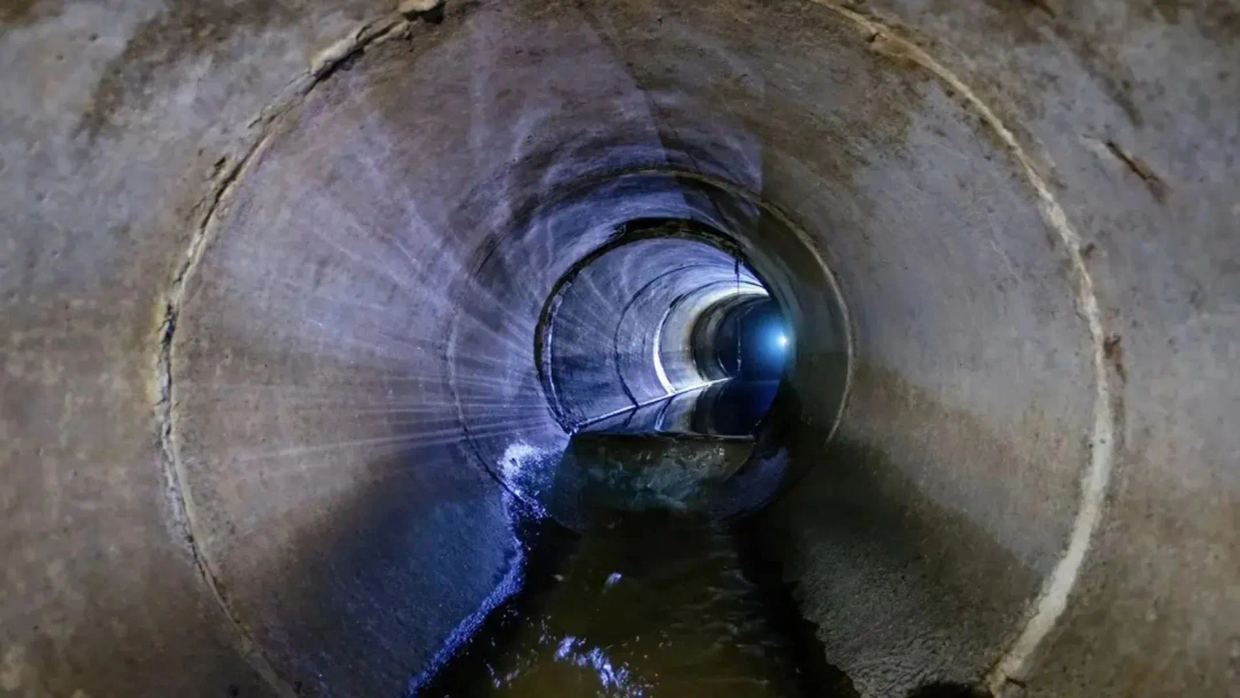
Researchers in India have built a prototype microbial fuel cell with a single binder-free electrode that treats municipal wastewater, degrades the antibiotic chloramphenicol and produces hydrogen peroxide, Interesting Engineering reports. interestingengineering.com
Interesting Engineeringinterestingengineering.comOpen source ↗ In tests on raw sewage spiked with 50 milligrams per liter of chloramphenicol, the cell removed 99.99% of the antibiotic and cut chemical oxygen demand by 94%.
interestingengineering.com
Interesting Engineeringinterestingengineering.comOpen source ↗
Sewage contains organic matter and persistent pharmaceutical pollutants such as chloramphenicol, which treatment facilities fail to break down. In a microbial fuel cell, bacteria digest organic waste and release electrons into the system. Normally these electrons combine with oxygen at a second electrode to form plain water. interestingengineering.com
Interesting Engineeringinterestingengineering.comOpen source ↗
Electrode design and reaction pathway
The team made the second electrode from iron and nickel oxide-tipped carbon nanofibers on flexible carbon cloth, without a binder. According to the researchers, this design sends electrons down a shorter, two-electron path that stops the reduction halfway. The cell then synthesizes hydrogen peroxide instead of water. interestingengineering.com
Interesting Engineeringinterestingengineering.comOpen source ↗
Hydrogen peroxide is an oxidizing and disinfecting agent used in healthcare, environmental management, household cleaning and manufacturing. The authors note that this route avoids energy-intensive traditional production methods. interestingengineering.com
Interesting Engineeringinterestingengineering.comOpen source ↗
Results and open questions
Besides the antibiotic removal and the drop in chemical oxygen demand, the system produced 0.74 mM hydrogen peroxide. It also maintained a steady electrical current and an open-circuit potential above 0.6 V. Bacteria digesting the organic waste drove the treatment rates, which far exceeded those of passive control tests. interestingengineering.com
Interesting Engineeringinterestingengineering.comOpen source ↗
Several limitations remain. The power output is small, as is typical for benchtop microbial fuel cells, and the laboratory cell handled only 250 milliliters per chamber. The team is still studying the toxicity of the antibiotic's breakdown products. interestingengineering.com
Interesting Engineeringinterestingengineering.comOpen source ↗
Long-term durability is another concern for metal-oxide tips in continuous wastewater treatment. Raw sewage contains corrosive compounds and dense biological growth that can block the catalyst's active sites over time. The findings were published in the Journal of Power Sources. interestingengineering.com
Interesting Engineeringinterestingengineering.comOpen source ↗